
Town Guide
Biot Village: Where Artisan Heritage Meets Sophia Antipolis
Medieval charm, glassblowing traditions, and proximity to Europe's leading tech park. A complete property guide for 2026.
In This Guide
Biot Village: Where Artisan Heritage Meets Sophia Antipolis
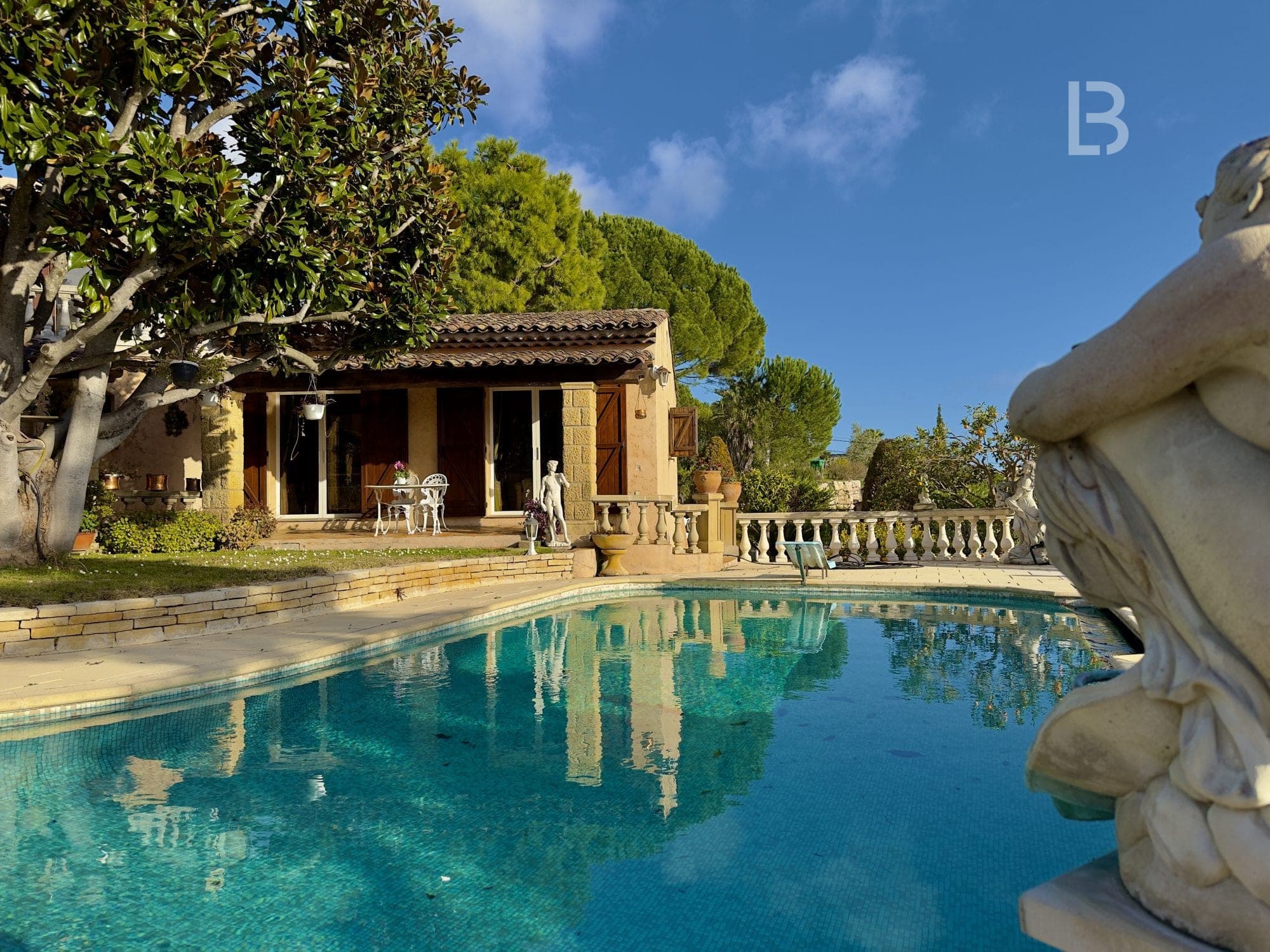
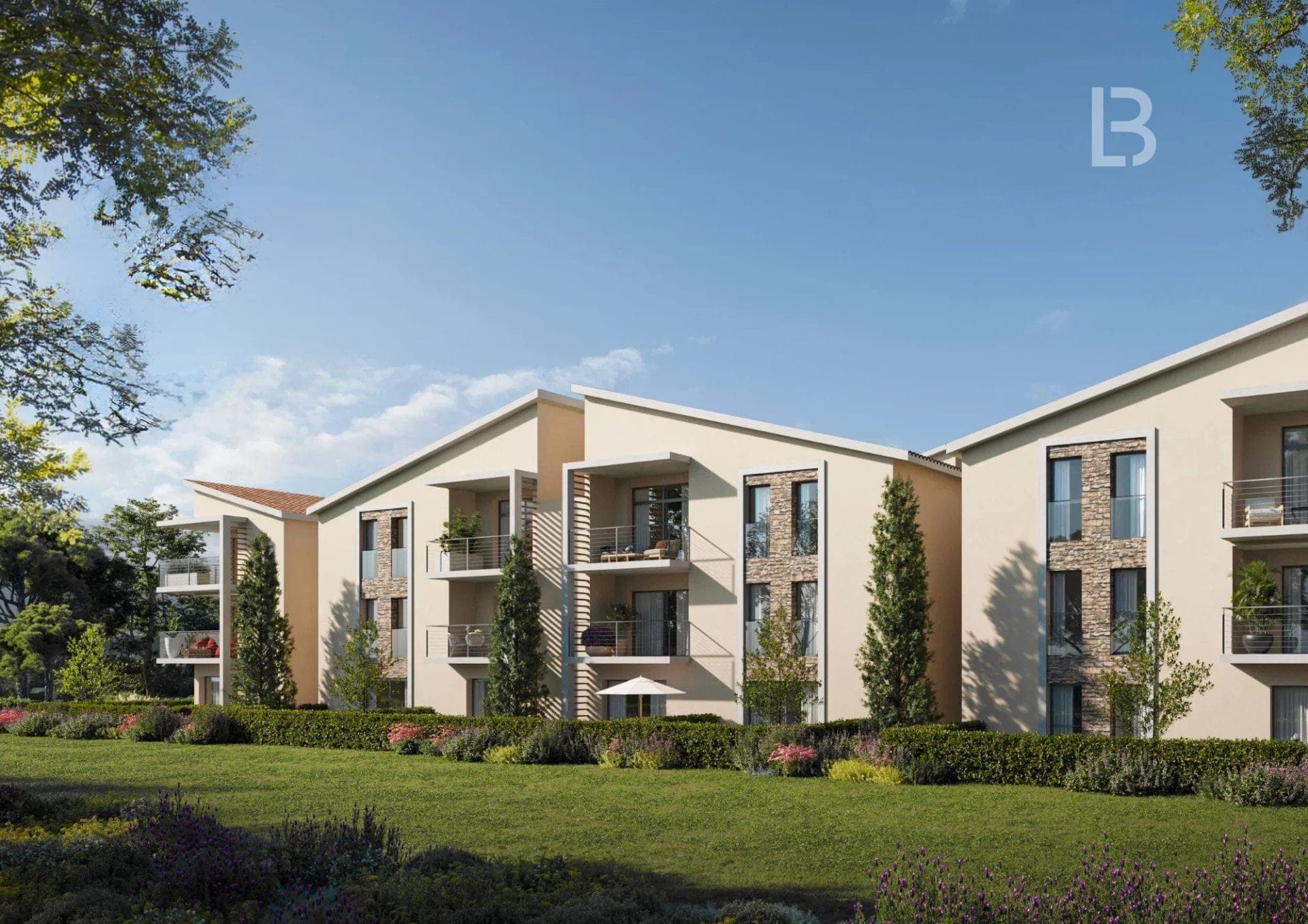
Why Biot? A Village That Hasn't Lost Its Soul
Biot sits perched on a hilltop roughly 4 kilometres from the Mediterranean, commanding views across the Côte d'Azur hinterland toward Cannes, Antibes, and the Alps beyond. The village's roots run deep—we're talking about a settlement that existed 2,500 years before most of us were born. The Romans arrived here in 154 BC, the Knights Templar set up a commandery in 1209, and through it all, the locals just kept building their stone houses, tending their land, and getting on with life.
What makes Biot different from a hundred other Provençal villages is the alchemy of its current moment. On one side, it's deeply rooted in craft heritage—glassblowing, ceramics, painting—traditions that bring tourists and give the place genuine character. On the other side, it's five minutes' drive from Sophia Antipolis, Europe's first and largest technology park, which means it attracts white-collar professionals, entrepreneurs, and families seeking a lifestyle that doesn't feel like a compromise. You get village bakeries and artisan galleries alongside tech workers who commute to offices staffed by companies like Arm, W3C, and ETSI.
From what we see on the ground, Biot appeals to specific buyer archetypes: British families seeking good schools without the chaos of Nice or Cannes; Parisian couples looking for a weekend house with real character; tech professionals at Sophia Antipolis who want walkable charm instead of suburban sprawl. The property market reflects this appeal—prices have climbed 12.94% over the past five years, yet the village hasn't been Instagrammed into oblivion like Mougins or Grasse.
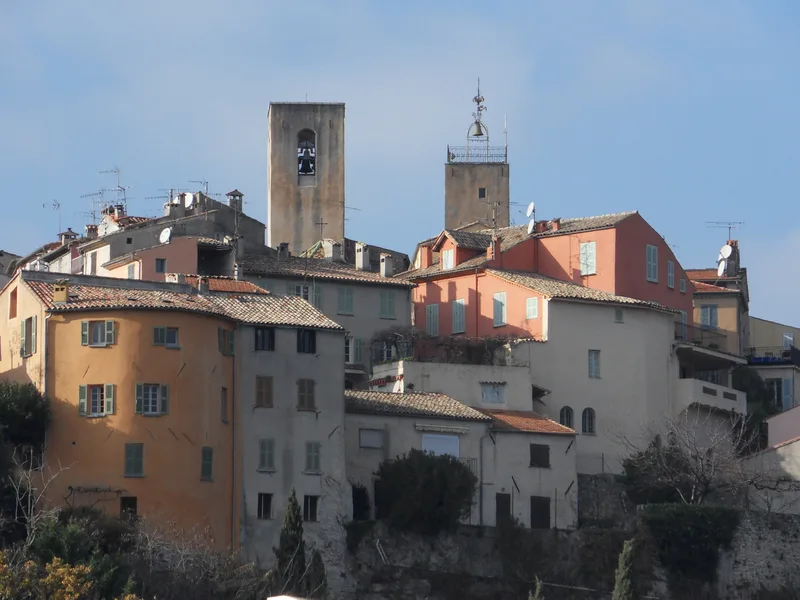
The heart of Biot: narrow cobblestone streets and 15th-century architecture define the medieval centre
Biot Property Prices: What the Data Shows in 2026
Let's start with the numbers, because they tell a revealing story about Biot's positioning on the Côte d'Azur. As of early 2026, the average property price in Biot stands at €5,190 per square metre (net vendeur), with a range from €4,949 to €10,071 depending on location, age, and condition. For perspective, the national French average hovers around €3,200/m², which means Biot runs roughly 60% above the national average—a premium that reflects both location and lifestyle appeal.
Breaking this down by property type gives us clearer insight. Apartments in Biot average between €4,518–€5,133 per square metre, making them the most accessible entry point. Houses command higher per-metre rates (€5,669–€6,111/m²) due to the appeal of gardens and private terraces, though they require larger absolute outlays. In 2024, we saw 81 transactions across Biot: 58% apartments, 42% houses. That distribution suggests both residential stability (people buying homes to live in) and investor interest in smaller units for rental.
| Property Type | Price Range (€/m²) | Average | % of Market (2024) |
|---|---|---|---|
| Apartments | €4,518–€5,133 | €4,825 | 58% |
| Houses | €5,669–€6,111 | €5,890 | 42% |
| Village Average | €4,949–€10,071 | €5,190 | 100% |
Price momentum has been steady. Over the past five years, Biot property prices have appreciated 12.94% in total—not spectacular, but solid and consistent. Between 2023 and 2024, we saw a modest correction of -0.31%, which is actually healthy; it suggests the market found a floor and stabilised rather than overheating. Since the revised PLU (Biot's local urban plan) was approved in September 2025, we expect renewed confidence through 2026, particularly for new-build projects that comply with the updated regulations.
A useful metric: we've recorded 493 sales across Biot since 2023, averaging about 246 transactions per year. That's solid liquidity for a village of just 4,000 residents. It means you're not buying into a dead market—property does turn over, and for the right property at the right price, finding a buyer isn't usually a problem.
"The beauty of Biot's pricing is that it sits between Antibes (which has become expensive and overdeveloped) and the pure villages like Gourdon (which have zero services). You get charm and convenience without the stratospheric markups you'd pay for a place with a beach." — La Reserve | Riviera Editorial Team, based on market analysis 2026
Sector by Sector: Where to Buy in Biot
Biot isn't large enough to have strict neighbourhoods, but it does have distinct sectors with different characters and market dynamics. Our research on the ground identifies four primary areas worth understanding.
The Village Centre
This is medieval Biot proper: narrow lanes, stone facades, the Place des Arcades with its restaurants and galleries, the Église Sainte-Marie-Madeleine with its 15th-century structure. Properties here—mostly older apartments in converted buildings—command a premium of 10–15% over suburban sectors because you're paying for walkability and authenticity. Restaurants, galleries, and weekend foot traffic are constant. This sector suits downsizers, couples without children, and buyers who prioritise village life over garden space.
Sophia Border (Clausonnes)
This is the fringe where Biot begins to merge with the tech park. Properties here are typically newer or recently renovated, with easier access to Sophia employment. Prices run slightly lower than the centre because you're trading medieval atmosphere for convenience and modern amenities. Families with one or both parents commuting to Sophia often settle here. The tradeoff is that you lose the walkable charm of the village core.
Les Vignasses
A residential area with larger properties and more green space. Popular with families seeking garden and space without the full rural isolation. Prices reflect the added square metres and land value. This is where we see many of our British buyers settling—enough room for children, gardens for weekend projects, but still only 10 minutes' walk to the village centre.
Near Marineland Area
Marginally closer to Antibes and coastal attractions. Properties here serve families who want proximity to beaches and the Marineland theme park (relevant if you have young children visiting grandparents). Slightly lower prices than central Biot, reflecting the longer walk to village amenities and less distinct character. More suburban in feel.
The Sophia Antipolis Factor: Living Five Minutes from Europe's Tech Capital
Here's a fact that shapes every conversation about Biot in 2026: Sophia Antipolis—the 2,400-hectare technology park that sits literally at Biot's doorstep—is not declining. If anything, it's accelerating.
Sophia Antipolis was founded in 1969 as Europe's first planned tech park, an experiment that worked. Today it hosts 2,500 companies generating €5.6 billion in annual value, employing over 38,000 people. That workforce includes 200 foreign companies and personnel from 67 different nationalities. Every year, approximately 1,000 new jobs are created in the sectors that matter: artificial intelligence, biotechnology, connected vehicles, and advanced telecommunications.
The institutional heavyweight is staggering. Arm Holdings (the chip architecture company) has a major presence. ETSI (European Telecommunications Standards Institute) is headquartered there. W3C (the World Wide Web Consortium, which literally sets internet standards) runs an office from Sophia. Nearby Cannes and Vallauris host Thales Alenia Space and IBM research divisions. In September 2026, Sophia is hosting the IASP (International Association of Science Parks) congress, which will draw science park directors from around the world—a tacit acknowledgment that Sophia remains a global benchmark for technology ecosystems.
For property investors and families, this translates into job security and steady wage growth among your neighbours. We see professionals at Sophia Antipolis actively seeking homes in Biot because they want to avoid the soul-crushing sprawl of office park suburbs. They're willing to commute five minutes to their desks if it means they can walk to a 15th-century church, buy fresh produce at a Tuesday market, and live in a place where their children see craftspeople at work rather than shopping centres.
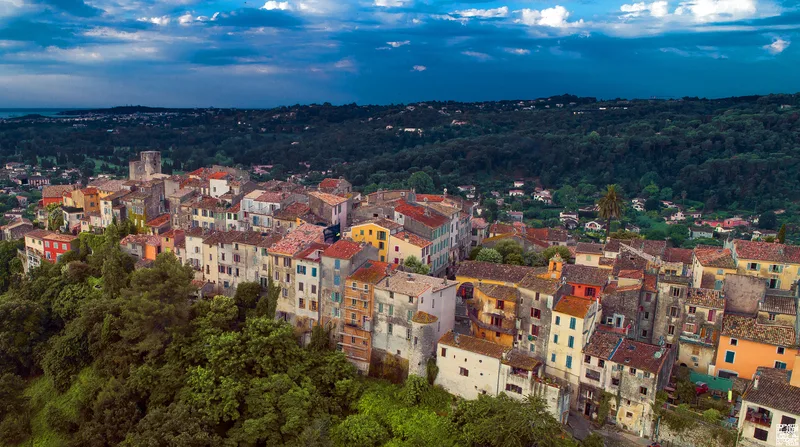
Biot's hilltop position offers panoramic views toward Antibes and the Mediterranean, just 4km south
Biot's Glassblowing Heritage: More Than a Tourist Attraction
In the 1950s, a glassblower named Éloi Monod arrived in Biot and pioneered a technique for creating "bubble glass"—thick, textured glass with air pockets trapped inside, catching light in distinctive ways. It was a moment of genuine artistic innovation, and it transformed Biot. The technique became synonymous with the village, attracting other glass artists and craftspeople.
Fast forward to 2026, and Biot is home to roughly 50 artisans and creative practitioners: glass artists, ceramicists, painters, sculptors, and jewellers. The Fernand Léger Museum sits on the village edge—a modernist structure dedicated to the cubist master, drawing art historians and design enthusiasts year-round. The Place des Arcades, the main village square, hosts galleries and workshops where you can watch artisans at work.
This matters for property investment more than you might think. First, it keeps the village economically viable without turning into pure tourism. Second, it creates genuine cultural vibrancy—your children grow up around people making things with their hands, not staring at screens. Third, it attracts a certain caliber of resident: educated, culturally engaged, respectful of place. The Tuesday Provençal market (9am–1pm, Rue Saint-Sébastien to Place des Arcades) and Saturday Farmers' Market (9am–1pm, Place des Arcades) are expressions of this same ethos—local food, local producers, no industrial chains.
Glassblowing remains central to Biot's identity, with artisans continuing Éloi Monod's bubble glass tradition
Schools and Family Life in Biot
For families, schools are often the decision-maker. Biot sits in a genuinely strong schooling region, with international options that appeal across buyer demographics.
CIV (Centre International de Valbonne)
This is the heavyweight. A public international school with 2,300 students across 12 hectares of campus, CIV serves Valbonne (immediately adjacent to Biot) and draws families from across the Côte d'Azur. The school operates in two sections: French and international bilingual tracks. The annual cost is essentially free—it's a public school—which makes it remarkable value. We see British families in particular drawn to CIV because their children get genuine French education while maintaining English fluency. The school draws students from 65 nationalities, meaning your child grows up in a genuinely international environment.
ICS Côte d'Azur
A bilingual primary school in Sophia Antipolis proper, ICS appeals to expat families wanting English-language education from the start. Smaller than CIV, more expensive, but more intimate. Relevant if both parents work at Sophia and want a shorter commute for school drop-off.
Les Colibris
Montessori education with locations in both Biot and Sophia. For parents who believe in child-led, play-based learning, Les Colibris offers an alternative to traditional French schooling. Expensive, but genuinely committed to Montessori principles.
The Hive Academy
American curriculum in Biot itself. Appeals to American expat families and those seeking North American educational frameworks. Small, premium fees, but deeply personal environment.
Mouratoglou International School
For athletic families: this is academics plus elite tennis and sports training under the Mouratoglou method. If your child is serious about tennis or wants training from a world-class sports academy, Mouratoglou is the Côte d'Azur benchmark. Located in Mougins, about 30 minutes away.
The schools question rarely separates Biot from nearby Valbonne, Mougins, or Grasse—the region has excellent options. What distinguishes Biot is the village environment layered on top of school access. Your child cycles or walks to a medieval village centre, attends a school drawing 65 nationalities, and spends weekends at weekend markets and artisan studios. That's a particular lifestyle proposition.
The Weekly Rhythm: Markets, Dining, and Daily Life
Here's what a week in Biot looks like, from a resident's perspective. Your children go to school. You might commute to Sophia Antipolis or work remotely. By Tuesday morning, you're at the Provençal market—Place des Arcades fills with farmers, producers, and vintage sellers. You're buying tomatoes from the same farmer you bought from last month. You recognise faces. Wednesday evening, the restaurant near the church has a decent wine list and a chef who changes the menu seasonally. Saturday morning is the farmers' market—organic producers, olive oil, local cheese. Your child goes to the artisan studio for pottery lessons while you're at the market. Saturday evening, you're at the Fernand Léger Museum for an exhibition or the Place des Arcades for an open-air concert (these happen seasonally). Sunday is quiet—maybe a walk to a nearby village or lunch in one of the hamlet restaurants in the hills above.
This isn't life in a city. It's not life in an isolated countryside either. It's small-town French life with the infrastructure and cultural institutions of a cosmopolitan region. For remote workers, families wanting to step out of the career hamster wheel, or retirees seeking engagement without intensity, it's magnetic.
Getting Around: Transport and Access from Biot
Biot's location is close enough to major infrastructure that you're not isolated, but far enough that you escape congestion. Here are the practical access routes:
- To Sophia Antipolis: 5 minutes by car via the D4 or D2085. Viable for a daily commute without becoming exhausting.
- To Antibes old town (Vieille Ville): 15 minutes. Useful for dining, beaches, summer tourism.
- To Cannes: 30 minutes via the A8 motorway. Feasible for occasional beach days or evening events.
- To Nice airport: 45–50 minutes via the A8. Manageable for travel without requiring relocation.
- To Grasse (perfume town): 25 minutes. Cultural visits, markets.
- To Mougins (famous village, restaurants): 20 minutes.
Public transport exists but is modest. There's a local bus network connecting Biot to Antibes, Valbonne, and nearby villages. The buses work if you don't have time pressure, but they're not frequent enough to be your primary commute option if you're working at Sophia. Most households need a car. French healthcare is within reach—Antibes has major hospitals—and for urgent care, Sophia Antipolis has medical facilities serving the tech park workforce.
Current Development: What's Changing in Biot
The revised PLU (Plan Local d'Urbanisme—Biot's local urban development plan) was formally approved on 30 September 2025, after a public consultation period. This is significant because it sets the regulatory framework for new construction and renovation through the next decade. The approved revisions are conservative and respectful: they support incremental infill development (filling gaps in existing neighborhoods rather than sprawl), incentivise renovation over new build in some sectors, and protect the medieval centre from high-rise development.
Current infrastructure projects underway or recently completed include:
- Espace des Arts et de la Culture renovation: The cultural centre renovation ran from September 2025 to January 2026, refreshing gallery and exhibition space to contemporary standards while preserving architectural character.
- Maison du Verre and new crèche (DiaBiotins): These are incremental additions—a glass-fronted building and a childcare facility—rather than large-scale projects. Designed to serve growing young families without changing village character.
- Voie verte (green way): A walking and cycling path, Chemin de Saint-Julien, is being developed to improve pedestrian connectivity between Biot and adjacent areas.
- Verger Saint-Eloi: A communal vineyard and orchard project, reflecting the village's agricultural heritage.
- Brague flood protection (sécurisation hydraulique): Infrastructure work to mitigate flood risk from the Brague stream that runs near the village.
The scale and pace of these projects are deliberately modest. There's no risk of Biot becoming a construction site. Rather, the PLU approval signals stability and forward-planning—the village is investing in its infrastructure and facilities at a pace that preserves character.
Who Buys in Biot? Real Buyer Profiles We See
Property investment is never abstract. It flows from human motivations. In our work with Biot buyers, we see consistent patterns.
The British Family (Mid-Career, Early School)
Typically in their 40s, one or both parents working remotely or running a business that doesn't require daily London commuting. Children aged 5–12. They're attracted to CIV's dual-language education and the village environment. They want a proper garden, a stone house with character, and schools good enough that they're not sacrificing their children's education for lifestyle. Budget typically €600k–€900k. They're buying to live, not speculate, and they typically stay 8–12 years before returning to the UK or moving back to London.
The Parisian Couple (Weekend House)
Paris-based professionals (law, finance, media) in their 50s seeking a second property for weekends and summer. They want walking distance to restaurants and galleries, not acres of land. An apartment in the village centre or a small house in Les Vignasses appeals. They're not price-sensitive but are quality-conscious. Budget €400k–€700k. They're willing to rent their property occasionally to offset costs. These buyers treat Biot as their escape hatch from Paris intensity.
The Sophia Tech Professional (Commuter)
30s to 40s, working at Arm, ETSI, or another Sophia employer. Usually an expat (German, Dutch, British, American). They value the 5-minute commute to work more than they value village aesthetics, though they appreciate both. A modern apartment or contemporary villa in the Clausonnes sector appeals. Budget €350k–€550k. They're typically on multi-year assignments and will relocate when work ends, so they're less emotionally invested in place but highly interested in rental potential or easy resale.
The Retiree Simplifier (Pre-Owned Village House)
60s-70s, often downsizing from a larger property. They want walkability, cultural engagement, and a low-maintenance property. A renovated 2–3 bedroom house in the centre appeals. Budget €400k–€650k. Many are genuinely seduced by the artisan community and spend time at galleries and studios. They're long-term buyers motivated by lifestyle rather than capital appreciation.
The Art World Buyer (Creative Professional)
Painters, sculptors, designers drawn explicitly to Biot's artisan identity. Variable budget (€250k–€1M+), but unified by aesthetic orientation and desire for a working studio. They're buying a lifestyle and a professional context, not just real estate. These buyers strengthen the village's creative character.
Each archetype buys into a different version of Biot, but all are unified by seeking authenticity and rejecting homogenised suburban development. That underlying unity is what stabilises the market.
Biot vs the Neighbours: How Prices Compare
Biot doesn't exist in isolation. It sits in a constellation of desirable Côte d'Azur villages, each with its own character and pricing. Understanding the comparison clarifies Biot's positioning.
| Village/Area | Avg. Price/m² | Character | Sophia Proximity | Appeal |
|---|---|---|---|---|
| Biot | €5,190 | Artisan, authentic medieval | 5 min | Families, creatives, commuters |
| Valbonne | €5,400–€5,800 | Academic, planned, manicured | 2 min | Sophia workers, tech families |
| Mougins | €6,200–€7,500 | Famous, touristy, restaurants | 20 min | Affluent lifestyle, tourism |
| Grasse | €4,100–€5,200 | Perfume heritage, busy town | 25 min | Value buyers, heritage tourists |
| Antibes (vieille ville) | €7,800–€9,500 | Coastal, historic, crowded | 15 min | Beach lifestyle, tourists |
| Le Cannet | €6,000–€7,200 | Hilltop, panoramic, developed | 30 min | Cannes overflow, affluent |
The Biot advantage: Biot sits in a sweet spot—lower cost than the celebrity villages (Mougins, Antibes) but with stronger character and closer Sophia access than cheaper alternatives (Grasse). You're paying a modest premium over Valbonne but keeping more village authenticity. You're paying less than Mougins but staying more authentic. Compared to Antibes, you save 25–40% per square metre and avoid coastal crowds.
When Biot is the wrong choice: If you're primarily motivated by beach proximity or coastal lifestyle, Antibes or Cannes is more logical despite higher cost. If you're purely motivated by Sophia Antipolis proximity and don't care about village character, Valbonne is slightly closer and more tech-optimised. If you want absolute value, Grasse is cheaper, but the town is noisier and less charming.
When Biot is the right choice: You want authentic village life, reasonable access to multiple destinations (Sophia, Antibes, Nice, mountains), and a price that doesn't require overextending. You value artisan community and walkability. Your children's education matters more than your proximity to beaches. You're planning to stay 8+ years and care about real estate as lifestyle, not pure investment.
FAQ: Buying Property in Biot
Considering Biot? Let Us Help.
Our research team has spent years understanding Biot's market, schools, infrastructure, and community. We know the village, the neighbourhoods, the realistic prices, and the hidden character that makes it distinctive. Whether you're exploring options or ready to buy, let's have a conversation.
Explore Nearby Areas
Looking at other Côte d'Azur communities? Our research extends across the region. Explore Valbonne for tech-optimised living, Mougins for famous village charm, or Grasse for perfume heritage and value. Each has distinct character and market dynamics.
Sources
Sources
Market data and demographic claims in this article are anchored to the following primary sources:
- DVF (Demandes de Valeurs Foncières) — data.gouv.fr for every price and transaction figure.
- INSEE for demographic, household and employment data.
- Notaires de France for quarterly market commentary and regional commentary.
- service-public.fr for legal and procedural references (Notaire, Compromis, Acte authentique, taxes).
- ADEME for energy-performance (DPE) regulatory context.
Published by the La Reserve | Riviera Editorial Team. Editorial governance and correction policy: editorial standards. Corrections: contact@lareserve.co.
Frequently Asked Questions
Frequently Asked Questions
Need personalised guidance?
Our team knows every street and every sector across the hinterland.