Town Guide
Peyniblou: Valbonne's Best-Kept Family Secret
A sector-by-sector guide to the quiet east side of Valbonne — where families walk to the village, cycle to school, and reach Sophia Antipolis in six minutes.
In This Guide
Peyniblou: Valbonne's Best-Kept Family Secret
Introducing Peyniblou: Valbonne's Quiet Family Sector
Ask most international buyers to name the sectors of Valbonne and you will hear the same three answers: Castellaras for security and prestige, Val de Cuberte for trophy villas, and the medieval village itself for the postcard streets around Place des Arcades. Peyniblou rarely makes that list. And yet, every spring, our office receives a steady trickle of families who arrive convinced they want Castellaras, view two properties there, then look at a Peyniblou villa with a flat garden and walking access to the village — and quietly change their minds.
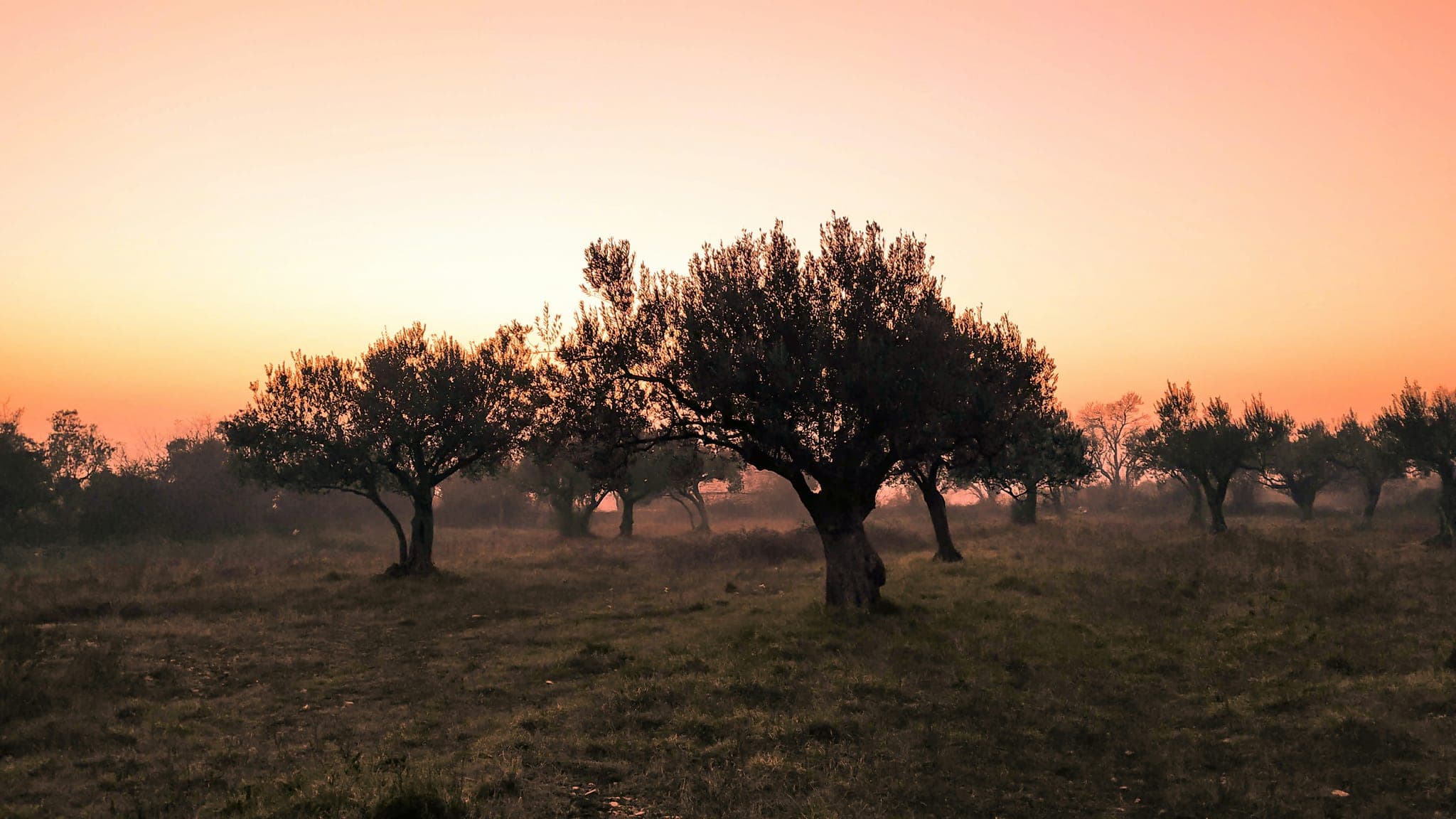
Peyniblou sits east of the village core, on the gently sloping land that runs down toward the Brague valley and Sophia Antipolis. The sector is residential through and through: detached villas on lots of 1,200 to 3,000 m², leafy private lanes, mature umbrella pines, and almost no through-traffic. There is no headline restaurant, no chic boutique, no famous gate. What there is, instead, is the kind of practical, low-key family life that most buyers — once they stop being seduced by Instagram — actually want.
This guide pulls together what we tell our family clients when they ask about Peyniblou: how the streets are arranged, what you should expect to pay in 2026, how the school catchment works, where the boundary with Sophia Antipolis falls, and how the sector compares with the other Valbonne addresses. It is written for buyers who care about whether their children can cycle to a friend's house and whether they can buy a baguette without starting the car — and who have somewhere between €1.2m and €2m to spend.
Where Peyniblou Sits Within Valbonne
Valbonne, as a commune, is large — roughly 19 km² spread across the village, the Sophia Antipolis technology park, and several distinct residential sectors. Peyniblou occupies the south-eastern slice of the commune, bordered by the Chemin de la Bouillide to the north, the Chemin de Saint-Bernard to the south, and the Sophia Antipolis park boundary to the east. The Chemin de Peyniblou itself runs through the heart of the sector and gives it its name.
The geography matters more than it sounds. The land is gently sloped rather than terraced, which means most plots are flat enough to take a pool, a tennis court, or a family lawn without an expensive retaining wall. Many of the lots have south or south-west exposure, which is what you want here for winter sun. Drainage is generally good — Peyniblou is not in any of the flood-risk overlay zones marked on the commune's Plan de Prévention des Risques.
From the centre of Peyniblou you are roughly 1.4 km from Place des Arcades — a flat 15-minute walk through residential streets, or a 4-minute drive. To the Sophia Antipolis tech campus (specifically the Les Lucioles roundabout) it is 2.8 km, about 6 minutes off-peak and 12 minutes in the morning rush. The A8 autoroute at the Antibes-Sophia junction is 7 km away — 9 minutes on a quiet day, 15 in traffic. Nice Côte d'Azur Airport reaches you in about 28 minutes if you leave before 8am.
One detail families ask about: noise. The eastern edge of Peyniblou, closest to Sophia, can carry a faint hum of distant traffic on still summer evenings. The further west you go — toward the village — the quieter it gets. Streets like Chemin des Sausettes and Chemin de la Plaine are properly silent at night, the kind of quiet where you can hear an owl from your terrace. We always tell families to view a Peyniblou property twice: once on a weekday morning, once on a Sunday evening, before they commit.
Prices and Property Types in 2026
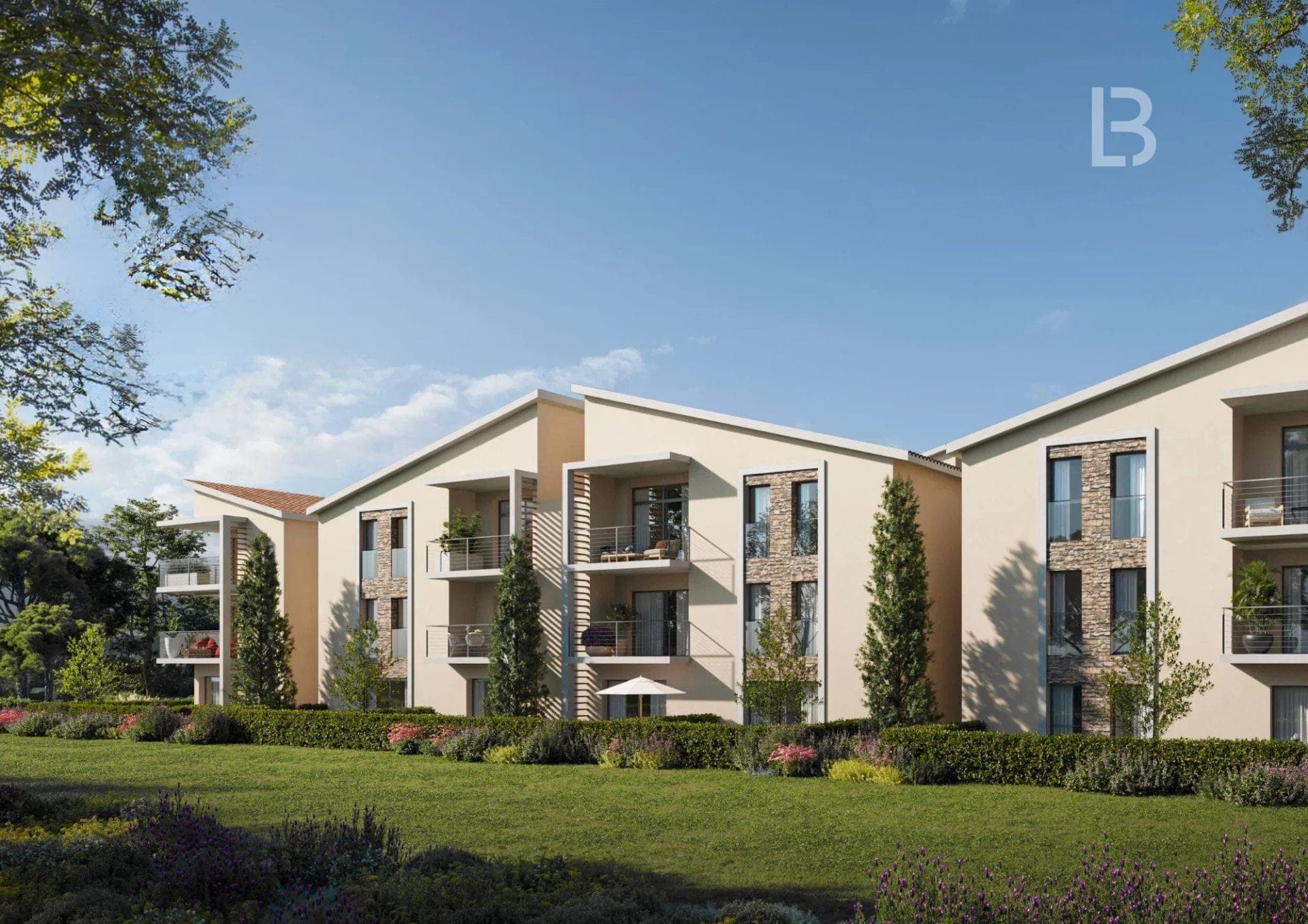
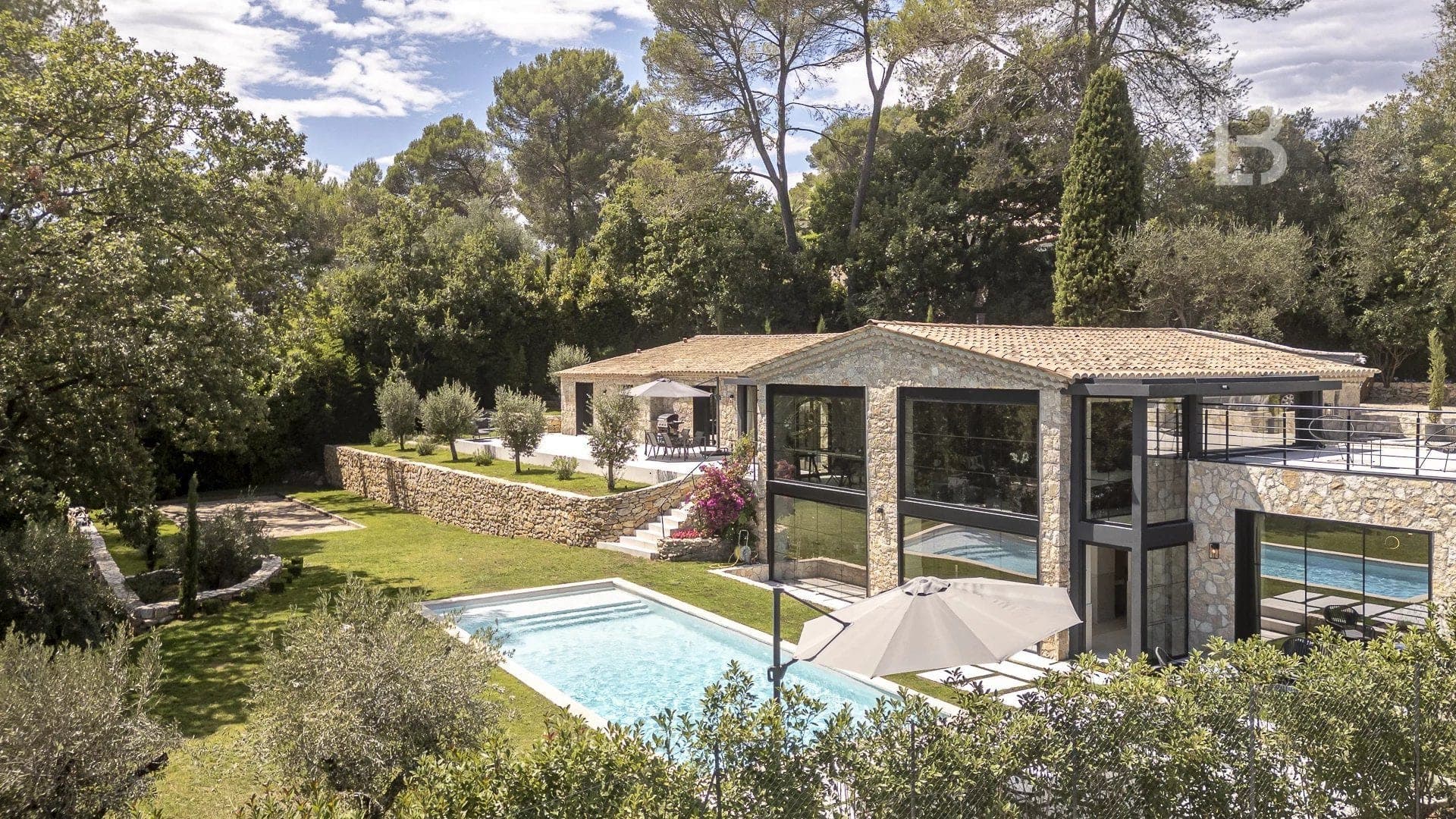
The Peyniblou housing stock is dominated by detached villas built between the late 1970s and the mid-2000s — solid construction, typically 180 to 320 m² of habitable space, with three to five bedrooms, a pool, and a double garage. Older properties from the 1970s often have small original kitchens, separate dining rooms, and dated bathrooms; later builds tend to come with the open-plan kitchen/living spaces that international families look for. Pure 21st-century new builds are rare here — the sector was largely developed by the early 2000s and infill plots are scarce.
In April and May 2026, our internal database shows the following pattern. The Notaires de France indices for the Valbonne commune put the average sale price for detached houses at €6,180/m² across all sectors. Peyniblou trades close to that figure on average, with a working range of €5,400 to €7,800/m² depending on condition, plot size, and exposure. A practical translation:
- €1.05m to €1.25m — a 180 m² villa from the 1980s on a 1,200 m² plot, kitchen and bathrooms needing refresh, pool present but liner due for replacement.
- €1.35m to €1.65m — a 220 m² villa from the 1990s or 2000s, recently renovated kitchen, three or four bedrooms, 1,500-1,800 m² plot, working pool, double garage.
- €1.65m to €1.95m — a 260-300 m² family villa, full renovation in the last five years, four or five bedrooms, 2,000 m² plot, salt-water pool, pool house, sometimes a tennis court.
- €2.0m and above — the upper tier: 320 m²+ villas, architect-designed renovations, large plots approaching 3,000 m², the occasional sea-view at the southern edge of the sector.
The same building, transported to Castellaras, would typically command an additional 30 to 45%. Transported to the village core, the per-square-metre figure climbs further, but you lose the garden. That arbitrage — Peyniblou land for noticeably less than Castellaras land, with the same village access — is the quiet calculation our family clients tend to run.
Two pricing notes worth knowing. First, the Peyniblou price-per-square-metre is fairly tight: the spread between the cheapest and the most expensive m² rate in any given month rarely exceeds 30%. That is unusual on the Riviera and reflects the homogeneity of the stock. Second, transactions are slow. A typical Peyniblou villa sits on the market for four to seven months, mainly because supply is small (we see ten to fifteen transactions a year) and the buyer pool is specific. Patient sellers get their price; rushed sellers discount.
The School Question: CIV, the Village Primary and Beyond
For most international families, schools are the single biggest reason to look at Valbonne in the first place. Peyniblou sits inside one of the more useful catchments in the hinterland.
The headline name is the Centre International de Valbonne (CIV), the French state international school whose campus is 1.8 km from the centre of Peyniblou — roughly seven minutes by car and around 25 minutes on foot. CIV runs from sixième (age 11) through to terminale (age 18) and offers six international sections: British, American, Italian, Spanish, German, and a French stream with reinforced English. Entry is competitive for international sections; the French stream operates on conventional carte scolaire rules. From Peyniblou your child is inside the school's catchment for the French stream and eligible to sit the entry tests for the international sections. The school's overall baccalauréat results sit consistently above the national average, and the international option pass rate is among the strongest in the Académie de Nice.
For primary-age children (maternelle and élémentaire), the public catchment school for Peyniblou is École du Pré-des-Arts in the Pré-des-Arts area on the western edge of the village. It is a well-rated state school with English-language enrichment programmes and a strong music tradition. Bus transport is available via the commune's school transport service for children living more than a kilometre from the school — Peyniblou is just inside that boundary, so most families either drive (six minutes) or have older children cycle.
Families wanting a fully English-language curriculum from age three to eighteen choose Mougins School, the British international school whose Sangro House campus on the Chemin de la Plaine de Tournamy is a 14-minute drive from Peyniblou. Mougins School follows the English National Curriculum to Year 11 and offers the IB Diploma in the sixth form. Day fees in 2026 sit between €17,000 and €27,000 depending on year group, with sibling discounts. The bus service picks up at three points within walking distance of Peyniblou: the Chemin de la Bouillide, the Carrefour roundabout, and the village.
Two other options worth knowing for completeness: the International School of Nice (40 minutes by car, IB curriculum) and ELC Mougins (Early Years and primary, English/French bilingual, 18 minutes). For Catholic schooling, the Institut Stanislas in Cannes is 30 minutes door-to-door.
Daily Life: The Walk to the Village
One of the practical advantages of Peyniblou — and the one most consistently undersold — is that you can actually live without the car for the basics. From a typical house on the Chemin des Sausettes, the walk to Place des Arcades takes 14 to 18 minutes, mostly downhill, along streets with pavements or wide shoulders. Coming back up at the end of the evening is less appealing in July, but the route is shaded by mature plane trees most of the way.
Once you are in the village, the daily essentials cluster within a hundred-metre radius of the arcaded square. Boulangerie Roni on Rue Eugène Giraud opens at 6:30am for the early Sophia commute. Carrefour Market on Boulevard Maréchal Juin handles the proper weekly shop. The Friday-morning Provençal market on Place des Arcades is the social anchor of the week — local goat cheese from the Roquefort-les-Pins producer, olives from Opio, the rotisserie chicken queue that forms by 11:30. Pharmacie de Valbonne on Place des Arcades is the family chemist. The doctors' surgery on Chemin du Roumiguier and the Clinique Valbonne private medical centre cover most family healthcare needs.
For eating out, the village punches above its weight. Lou Cigalon (one Michelin star, chef Alain Parodi) is the special-occasion choice — under €100 for the lunchtime menu, which is the sneaky way locals visit. Daniel Desavie's eponymous restaurant, on the Route de Cannes just outside the village, is the dependable bistro for a Thursday-night dinner with friends. L'Auberge Fleurie in Châteauneuf, ten minutes away, is where most Peyniblou parents end up on summer Saturdays. For a Tuesday-night pizza, the Pizzeria du Village on Rue Alexis Julien works.
Sport sits within easy reach. The Tennis Club de Valbonne is a six-minute walk from most Peyniblou houses, with clay courts and a junior programme that runs through the school holidays. The Sophia Country Club at La Brague offers tennis, pool, gym, and squash, with annual family memberships around €1,800. The Opio Valbonne Golf Club (eighteen holes, two loops) is a twelve-minute drive, with junior clinics on Saturday mornings. For cyclists, the back roads through Opio and Châteauneuf are some of the gentlest, prettiest rides in the hinterland.
The Sophia Antipolis Commute
The proximity to Sophia Antipolis is the practical case for Peyniblou. Europe's first technology park stretches across roughly 2,400 hectares, with around 36,000 jobs split between software firms, biotech labs, the Eurecom engineering school, and the regional offices of companies like Amadeus, Renault Software Labs, and ARM. For employees and founders working there, Peyniblou offers the shortest possible commute that still puts you inside a real village rather than the office park itself.
The morning routes vary by destination. If your office is in the Saint-Philippe sub-area — closest to Peyniblou — you can reach your desk in six minutes door-to-door at 8am. The Garbejaire sub-area takes nine. Les Templiers, further south, takes eleven. The new buildings around Les Lucioles and Aristote — where many software and AI firms now sit — are seven minutes off the Chemin de la Bouillide. Traffic peaks between 8:15 and 9:00, and the bottlenecks are predictable: the Antibes-Sophia A8 exit and the Roumiguier roundabout. Locals know to leave Peyniblou before 8:00 or after 9:15.
For commuters whose work involves Nice, the picture is also reasonable. The A8 to Nice city centre takes 30 to 40 minutes outside rush hour. Nice Côte d'Azur Airport — the third-busiest in France — is 28 to 35 minutes door-to-door. The Cannes-Mandelieu business airport (private and small commercial flights) is 25 minutes.
Several Peyniblou families operate hybrid schedules: two or three days in the Sophia office, the rest from home. The sector's broadband infrastructure was upgraded to fibre across most of the streets between 2020 and 2023 — symmetrical gigabit speeds are available through Orange, SFR, Bouygues and Free. The 4G/5G coverage is excellent thanks to the towers serving the Sophia campus. We mention this because in some hinterland villages it remains a real issue; here it is not.
Peyniblou Compared to Valbonne's Other Sectors
Buyers tend to arrive with strong opinions about Valbonne's sectors and only a hazy idea of how they actually differ. Here is the practical comparison we run with our family clients.
Peyniblou vs Castellaras. Castellaras des Maures is a private gated domain at the western end of the commune, with 24-hour security, a private tennis club, and a property stock dominated by 1970s-1990s villas on plots of 2,000 to 5,000 m². Prices typically run 30 to 45% above Peyniblou for an equivalent surface. The trade-offs: Castellaras requires the car for everything — the village is a 9-minute drive — and the domain has its rules (architectural review, paint colours, garden fences). Families who travel a lot and value the security tend to choose Castellaras. Families with school-age children who actually want to use the village tend to land in Peyniblou.
Peyniblou vs Val de Cuberte. Val de Cuberte is the trophy sector at the northern edge of Valbonne, with the largest plots, the broadest views, and the highest per-square-metre prices in the commune — €8,500 to €11,000/m² is not unusual. The villas are bigger and the architecture more recent, but the location is further from both the village and Sophia. Buyers at this price point usually have a specific reason for wanting Val de Cuberte; otherwise the value calculation tilts firmly toward Peyniblou.
Peyniblou vs the Village Core. Living inside the village itself, in a maison de village around Rue Alexis Julien or Boulevard Carnot, is its own world: walk to the bakery in two minutes, but trade the garden for a small terrace or interior courtyard. Per m², village houses are more expensive than Peyniblou; total ticket prices are often lower because the surfaces are smaller. Families with young children almost always want a garden, which pushes them out to Peyniblou.
Peyniblou vs the Châteauneuf Border. The sector south of the Chemin de Saint-Bernard, technically inside the Châteauneuf-de-Grasse commune, is sometimes marketed as Valbonne-adjacent. The houses are similar but the school catchment changes — the children are zoned to Châteauneuf rather than Valbonne primaries. For some families that is fine; for others (specifically those targeting CIV or the École du Pré-des-Arts) it is a deal-breaker, and the price difference rarely compensates.
Peyniblou vs the Opio Border. A few streets at the eastern edge of Peyniblou abut the Opio commune. Properties on the Opio side are slightly cheaper per m², the commune tax rates are a touch lower, and the rural feel is stronger — vineyards and olive groves rather than suburban gardens. The trade-off: longer school runs and a slower walk to the village.
Who Actually Buys in Peyniblou
Looking across the transactions we have followed in the sector over the past three years, four buyer profiles account for nearly all the activity.
The Sophia tech family — typically one parent working as a software engineer, product lead, or research scientist at a Sophia company, the other parent often in a remote or part-remote role. Combined household income €180,000-€350,000, two children either in CIV or about to start. Budget €1.3m-€1.7m. They want: walking access to the village, a 200-260 m² villa, a pool, a flat lawn, and a commute under ten minutes. They typically come from the UK, Germany, the Netherlands, or northern France.
The early-retirement international — a couple aged 52-65 who have sold a business or taken an early pension package, often with grown children who visit in summer. Budget €1.5m-€2.0m. They want: a renovated villa they will not have to touch for a decade, a manageable garden (1,500 m² rather than 3,000), and easy walking to the village so they can socialise without driving. They often come from Switzerland, the UK, or the US.
The Riviera repeat buyer — usually a French or Belgian family who already owned in Mougins, Cannes, or further along the coast, and is downsizing slightly while moving to a quieter address. Budget €1.4m-€1.9m. They know the area well and they know what they want: a specific street, a south-facing pool, a flat plot. They are typically the most price-disciplined buyer in the room.
The family relocation from Paris — a household trading the 16th arrondissement or Neuilly for a softer climate and better schools. Budget €1.6m-€2.1m, often funded partly by selling a Paris flat. They typically already have a child in mind for CIV or Mougins School. We have seen a clear uptick in this profile since 2022, with families citing climate, security, and the cost calculus of Paris flats compared with Riviera houses.
What we rarely see in Peyniblou: pure investors, short-term rental operators, or buyers under 40 looking for a coastal lifestyle. The sector simply does not suit those use cases — it is residential, family-led, and quietly stable.
Practical Buying Tips for Peyniblou
Ten years of selling properties in this sector have taught us a handful of specific things buyers should check before signing. We list them here as a working buyer's checklist.
1. Check the well, not just the pool. Many Peyniblou properties built before 2000 have a private well used for garden irrigation. Some are well-maintained; others have been ignored for a decade. Test the pump, check the casing, and budget €1,500-€3,000 for a refurbishment if the property is older.
2. Verify the septic system. Most of Peyniblou is connected to the commune's mains drainage now, but a handful of older properties on the eastern fringe still operate on individual fosse septique systems. France's SPANC inspection regime requires these to meet current norms at the point of sale; non-compliant systems can cost €8,000-€15,000 to bring up to code. Ask for the most recent SPANC certificate up front.
3. Walk the school route at school-run times. If you have children, drive or walk the route to your chosen school at 8:15am on a Tuesday before you commit. Some Peyniblou streets feed into bottlenecks that double the apparent commute time. The Chemin de la Bouillide in particular can back up at the Sophia-bound roundabout.
4. Get the diagnostic immobilier read by someone independent. The seller is obliged to commission energy performance certificates, asbestos surveys, lead checks, and termite reports, but these are often interpreted optimistically in the listing. A separate read by your notaire or a maître d'œuvre is cheap insurance, especially for properties built between 1975 and 1997 when asbestos was still in some construction materials.
5. Ask about the neighbours and the easements. Many Peyniblou plots share private driveways or have right-of-way clauses that are not obvious from the cadastral plan. A quick check of the title with your notaire avoids surprises later — particularly around shared access to garages and the maintenance of common paths.
6. Time the offer with the school calendar. The Peyniblou market is markedly more active between February and June, driven by families targeting a September school start. Sellers in this window expect competitive offers. Between October and January, the market thins and well-prepared buyers can negotiate harder.
7. Factor in the local taxes. Valbonne's taxe foncière for a typical Peyniblou family villa runs €3,200-€5,500 per year depending on the cadastral valuation. The taxe d'habitation has been abolished on principal residences but still applies to second homes — relevant if you are buying for occasional use.
8. Plan the renovation timing realistically. Builders in the Valbonne area are typically booked four to seven months ahead for anything beyond a kitchen swap. If your villa needs a meaningful refurbishment, expect to be camping or renting elsewhere for at least the first quarter after closing. Several Peyniblou families rent in Sophia or Mougins during the works.
Outlook for Peyniblou in 2026 and Beyond
The sector's trajectory through 2026 looks, in our reading of the data, fundamentally stable. Three forces shape it.
First, the Sophia Antipolis employment base continues to add jobs. The park published a 2025 plan targeting 4,000 additional positions by 2030, with most of the growth in software, AI, and biotech. Even a fraction of those new arrivals will compete for the existing Peyniblou stock, which barely grew in 2025 (we recorded twelve transactions, down from fifteen in 2024). Demand is steady; supply is not.
Second, mortgage rates in France have eased from the 2023-2024 peak. A ten-year fixed rate for an international buyer with 30% down sits between 3.6% and 4.1% in May 2026, down from 4.5%-5.1% in early 2024. That has unlocked a wave of buyers who had been waiting on the sidelines. We expect the easing to continue gently through 2026, which should support transaction volumes.
Third, the school catchment is a structural anchor. As long as CIV and Mougins School retain their reputations, families will pay a premium to live inside their effective catchments. Peyniblou is among the best-positioned sectors for both schools simultaneously, and that combination is not easily replicated elsewhere in the commune.
What could change the picture? Two things. A reduction in Sophia hiring — possible if a major employer relocates — would slow demand. And a meaningful uptick in supply, perhaps from inheritance-driven sales as the original 1970s-1980s owners' generation transitions, could ease price pressure. Neither feels imminent based on what we are seeing on the ground.
Our base case for the sector is modest price growth of 2-4% in 2026 in nominal terms, lagging Castellaras (where international competition is fiercer) but outperforming the more peripheral parts of the commune. Buyers entering Peyniblou in 2026 are buying a stable, slow-moving market with a strong floor, not a speculative one. For the family profiles we have described, that is exactly the point.
Sources
Sources
Market data and demographic claims in this article are anchored to the following primary sources:
- DVF (Demandes de Valeurs Foncières) — data.gouv.fr for every price and transaction figure.
- INSEE for demographic, household and employment data.
- Notaires de France for quarterly market commentary and regional commentary.
- service-public.fr for legal and procedural references (Notaire, Compromis, Acte authentique, taxes).
- ADEME for energy-performance (DPE) regulatory context.
Published by the La Reserve | Riviera Editorial Team. Editorial governance and correction policy: editorial standards. Corrections: contact@lareserve.co.
Frequently Asked Questions
Frequently Asked Questions
Detached villas in Peyniblou trade between €5,400 and €7,800 per square metre in 2026, with the average around €6,200/m² — close to the Valbonne commune average reported by the Notaires de France. Renovated villas with flat plots and south-facing pools push toward the upper end of the range; older properties needing kitchen and bathroom work sit at the lower end. Plot size matters as much as habitable surface in this sector, since most buyers are families looking for a garden.
Yes. Peyniblou is inside the Centre International de Valbonne catchment for the French stream (filière française à anglais renforcé), which operates on conventional carte scolaire rules. The campus is 1.8 km from the centre of the sector — about seven minutes by car. Entry into the international sections (British, American, Italian, Spanish, German) is not automatic by address; children must sit the entry tests, and admission is competitive regardless of where you live in the commune.
Six to twelve minutes by car, depending on which sub-area of the park you work in and the time of day. The closest area, Saint-Philippe, is six minutes door-to-door at 8am. Les Lucioles and Aristote, where many software and AI firms sit, take about seven minutes off the Chemin de la Bouillide. Les Templiers takes eleven. Locals know to leave Peyniblou before 8:00 or after 9:15 to avoid the morning peak at the Antibes-Sophia A8 exit and the Roumiguier roundabout.
Yes, comfortably. The walk from a typical house on the Chemin des Sausettes or Chemin de la Plaine to Place des Arcades takes 14 to 18 minutes, mostly downhill, along streets with pavements or wide shoulders shaded by mature plane trees. The return uphill is harder in July and August but manageable in cooler months. Many Peyniblou families do the school run, the Friday market, and Saturday-morning errands on foot or by bicycle. It is one of the few sectors in the Valbonne hinterland where car-free errands genuinely work for the daily essentials.
An equivalent villa — same surface, similar condition, similar plot — typically costs 30 to 45% more inside the gated Castellaras des Maures domain than in Peyniblou. The premium pays for 24-hour security, a private tennis club, and the cachet of the address. The trade-off is that Castellaras requires the car for every errand (the village is a 9-minute drive) and the domain has architectural and aesthetic rules that limit what you can change. Families with school-age children who plan to actually use the village tend to find Peyniblou the better fit.
Yes, on almost every street. The sector was upgraded to fibre between 2020 and 2023, and symmetrical gigabit speeds are available through Orange, SFR, Bouygues, and Free. Connection at a new property typically takes two to four weeks after move-in. The 4G and 5G coverage is also excellent thanks to the towers serving the Sophia Antipolis campus. This is worth confirming address by address — a small number of older properties on the eastern fringe still use ADSL — but in the heart of Peyniblou, connectivity is not the issue it remains in some hinterland villages.
For a 220-280 m² villa on a 1,500-2,000 m² plot, the annual taxe foncière at Valbonne's 2025 rates falls between €3,200 and €5,500, depending on the cadastral valuation of the specific property. The taxe d'habitation has been abolished on primary residences but still applies to second homes — so if you are buying for occasional use, expect an additional charge of similar magnitude. Your notaire can pull the actual figures for any specific address before you commit, and we recommend doing this for any property you are seriously considering.
Slower than Castellaras or the village core. A typical Peyniblou villa spends four to seven months on the market. Two reasons: the buyer pool is specific (family-led, school-driven, often international), and supply is small — ten to fifteen transactions a year in the whole sector. Properties that are well-prepared, fairly priced from day one, and presented with strong photography sell faster, often inside three months in the February-to-June window. Properties that launch overpriced and reduce later tend to sit, even when the eventual sale price is reasonable.
Need personalised guidance?
Our team knows every street and every sector across the hinterland.