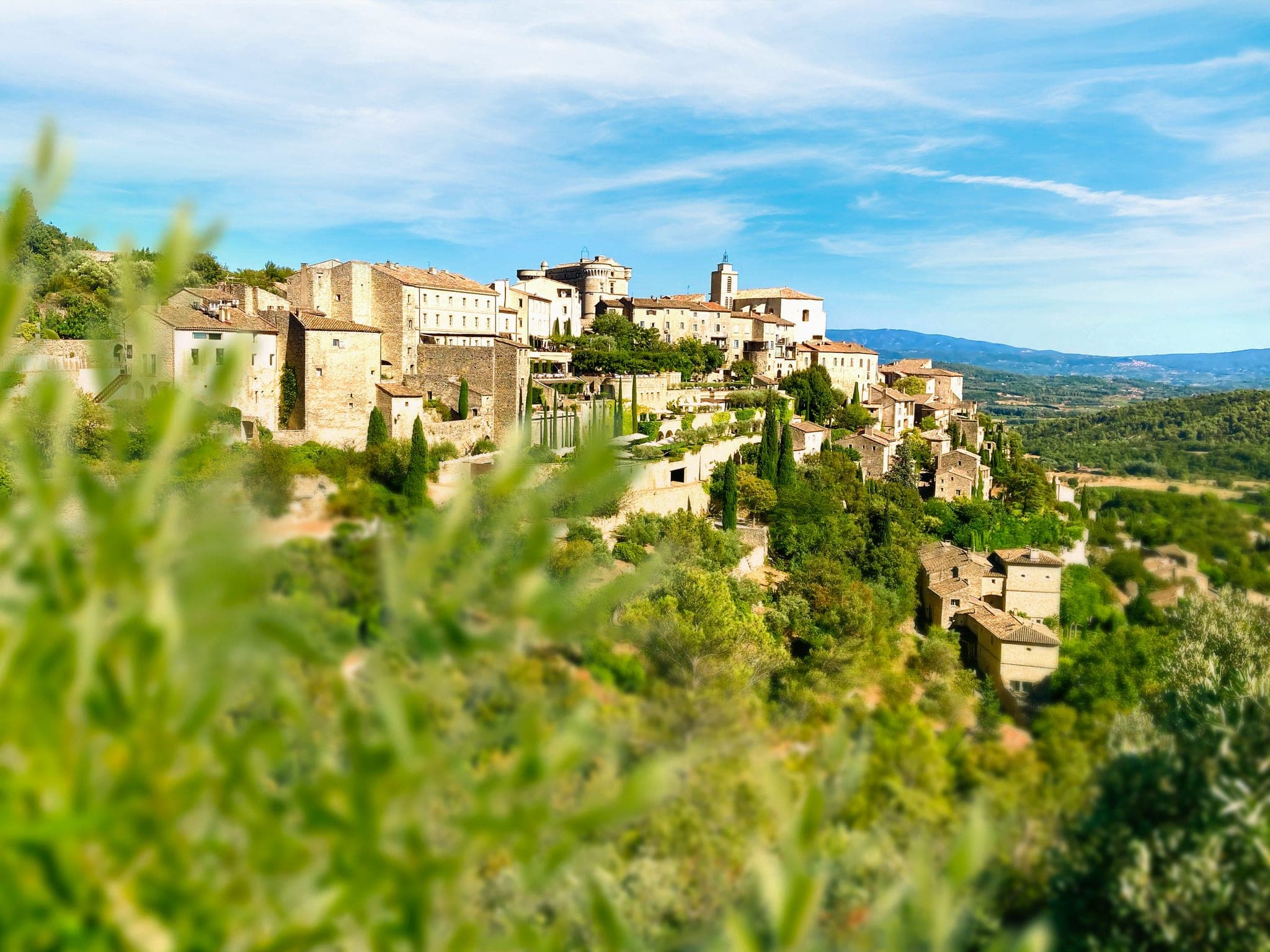
Lifestyle
Summer in the Hinterland: Why Locals Stay While Tourists Head to the Coast
What August actually feels like in Opio, Valbonne, Mougins, and the six other villages above the Cannes-Antibes coastline — and what it means if you're buying.
In This Guide
Summer in the Hinterland: Why Locals Stay While Tourists Head to the Coast
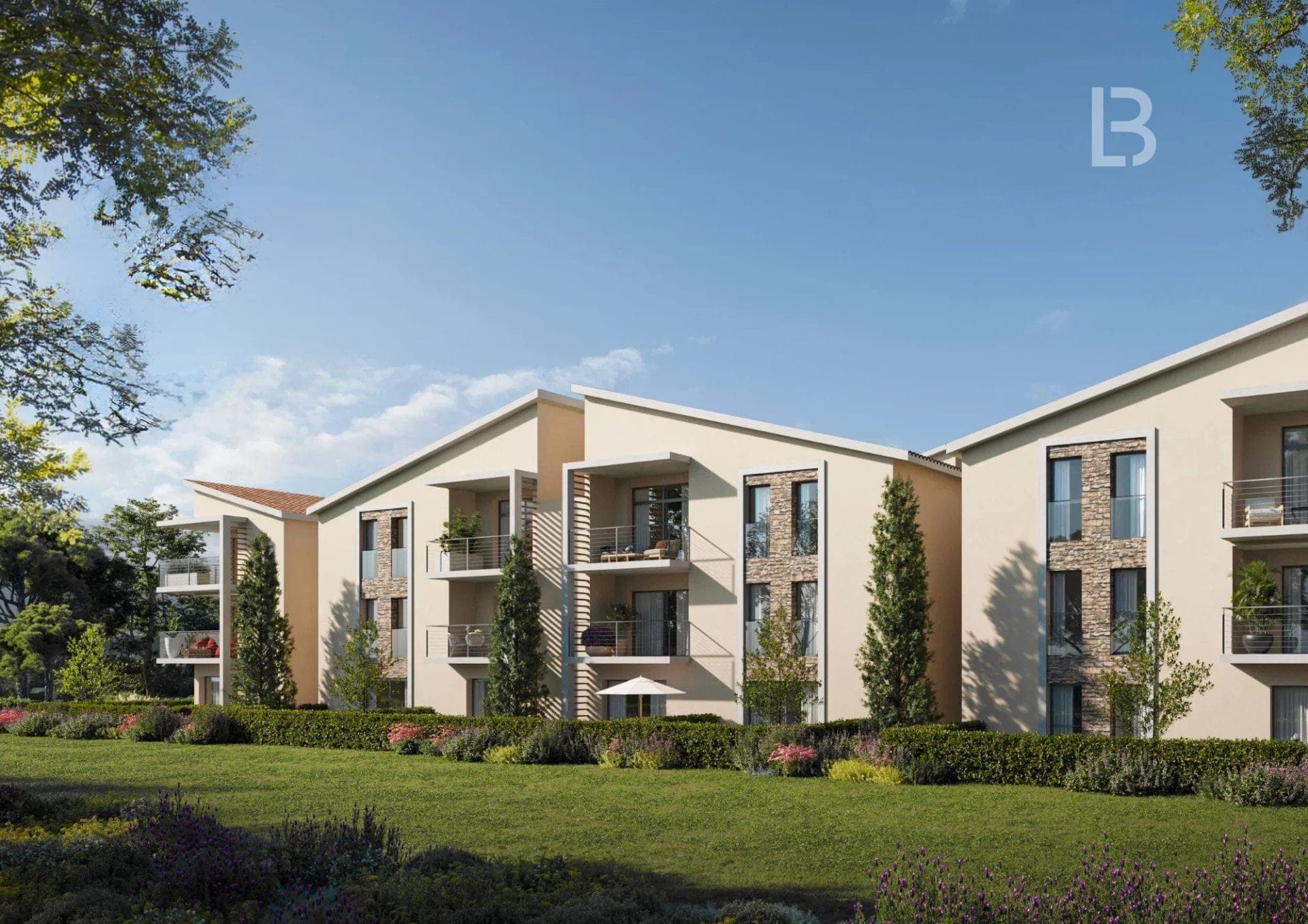
The August Exodus Goes the Wrong Way
If you ask a long-term resident of Opio, Valbonne, or Châteauneuf-de-Grasse where they spend their August holiday, you'll often hear the same answer: at home. Not because they cannot afford to travel — many of them are exactly the people who could be anywhere — but because August in the hinterland is, in their opinion, the best month to be here. Tourists move toward the coast in summer. Locals move inward. That divergence is the single most useful fact for anyone thinking of buying a home above the Cannes-Antibes ribbon.
The pattern repeats every year. Around the second week of July, the population of Antibes, Juan-les-Pins, and Cannes roughly triples. Beach clubs fill from 9am. The A8 motorway between Nice and Mandelieu becomes a 30-kilometre car park between 5pm and 8pm. Restaurants on the Croisette stop taking reservations under three weeks ahead. Parking at Plage de la Salis becomes an act of faith.
Meanwhile, fifteen kilometres up the D3, life proceeds quietly. The Friday market in Valbonne still ends at 12.30. The boulangerie in Opio village still closes for two hours at lunch. Children still cycle through Le Rouret without a tourist crowd to navigate. The temperature is meaningfully cooler — by mid-afternoon, often 7 or 8 degrees lower than at sea level. The light is the same Mediterranean gold the painters came for, but the volume has dropped to a level adults can hear themselves think in.
This is not a secret hidden from outsiders. It is simply a fact that takes a year or two of living here to absorb. New residents arrive convinced they will spend every weekend at the beach. By the third summer, they have a pool, a shaded terrace, three favourite hilltop restaurants within ten minutes, and the same opinion as everyone else on their street: August in the hinterland is where the year peaks.
For buyers, this matters in concrete ways. It changes what kind of property holds value. It changes which sectors trade at a premium. It changes the maths on rentals, on renovation priorities, and on the practical question of how much pool, how much garden, and how much shade you actually need. The pages that follow are a working guide to summer in the eight communes La Reserve covers, and what locals know that the brochures do not always say.
The Microclimate: What 8°C Cooler Actually Feels Like
Sea-level Antibes, mid-August, 2pm: 32°C in the shade, humidity around 70%, almost no breeze in the side streets behind the port. Valbonne village, same hour, same day: 26°C, humidity in the 50s, a thermal updraft moving down from the Plateau de Caussols carrying the smell of pine resin and dry grass.
Those numbers are not promotional. They are roughly the standard summer pattern for the département's hinterland between 200 and 400 metres elevation, which covers most of our coverage area. Opio sits around 250m. Châteauneuf-de-Grasse climbs to 412m. Le Rouret hovers near 230m. Mougins village is at 260m. Grasse's old town runs from about 325m up to 400m depending on the street. Biot's old village is lower — around 80m — but its hillside position above the Brague valley still earns it the evening breeze the coast does not get.
What does that translate to in lived terms? Three things people consistently mention.
Nights are cooler. The diurnal range — the gap between daytime high and night-time low — at altitude in this region is typically 12 to 15 degrees in summer. At Cannes-Mandelieu it is closer to 6 or 7. That means a bedroom in Valbonne or Châteauneuf at 11pm in August is often 22°C, sometimes lower, while a bedroom near the port at the same hour is still at 28°C. People sleep with windows open here. On the coast, they sleep with air conditioning.
The wind is real but well-mannered. The local thermal pattern brings a steady afternoon breeze most summer days, drawn up from the coast as the inland air warms. By 4pm it is usually moving through any south-facing terrace at 5 to 10 km/h — enough to feel, not enough to interfere with lunch. Eastern slopes get less of it; western slopes catch more. This is why agents quote orientation so carefully and why north-eastern frontages, despite their cooler winter morning sun, command an undeserved discount in summer-led buying.
The air is drier. Salt humidity stops being a factor about 8 kilometres inland, and at our typical elevations the relative humidity in August is more Provençal than Côte d'Azur. Wood floors don't swell. Books don't curl. Wrought-iron furniture stays where you put it. It is, simply, a different climate from the one that starts a quarter of an hour down the road.
Pool Culture: The Riviera's Open Secret
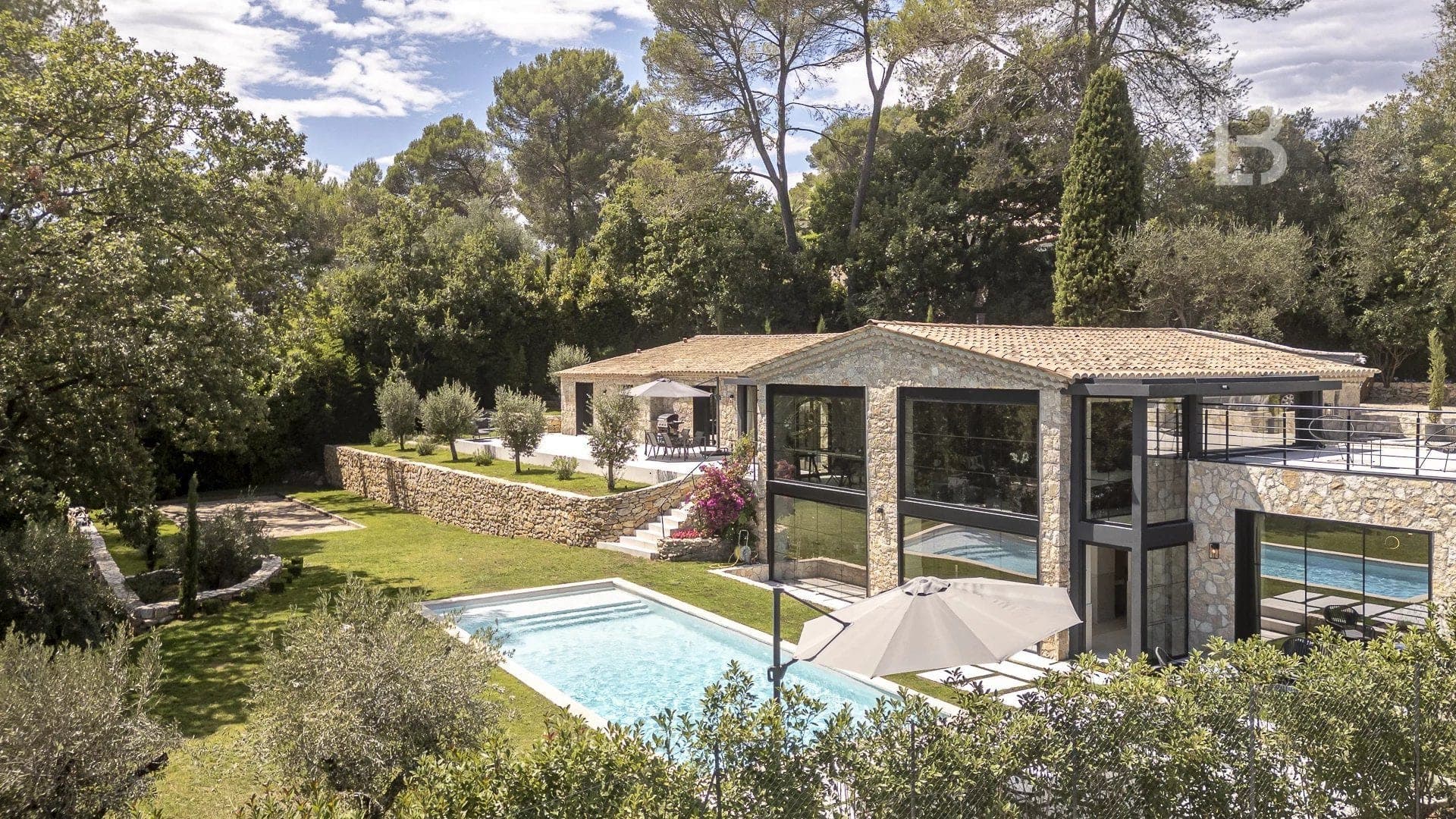
There are roughly 3.5 million private swimming pools in France, the highest density per household of any country in the world, and the Alpes-Maritimes département is in the top three for pool ownership. The reasons are not glamorous. Public beaches in July and August are crowded, paid private beaches charge 35 to 60 euros per person for a sunbed and umbrella, and the drive home in traffic with two damp children is its own kind of penance. A pool at home, fifteen minutes from work, is not a luxury here — it is the rational alternative.
For most families in Valbonne, Mougins, Opio, or Roquefort-les-Pins, the pool is the centre of summer life. Lunch is around it. Friends visit around it. Children are inside it from breakfast until lunch and again from 4pm until dark. Aperitif at 7pm happens on its edge. By August, residents who could in theory spend their day at Plage de la Garoupe in Cap d'Antibes generally do so once, remember why they stopped, and return to their own water.
This has real implications for property choice. The data La Reserve compiles from DVF-recorded sales suggests a pool adds, on average, 8 to 12 percent to the achieved sale price in our coverage area for villas in the 600k to 1.5m range, and slightly more — up to 15 percent — at the upper end. The exception is the village apartment market, where pool access via a copropriété (a residents' shared pool) earns a 4 to 6 percent uplift but a private terrace pool is rare enough to be effectively a special case.
A pool also changes the year. It opens, usually, around the third week of April and stays warm enough for an evening swim through late September. Heated pools — increasingly common, often heat-pump powered — extend that to roughly mid-October at the back end. Running costs for an unheated 10m × 4m pool average 800 to 1,200 euros a year between electricity for the pump, chemicals, and the spring/autumn services. A heated pool adds another 600 to 900 euros depending on insulation and use. These are not trivial figures, but they are smaller than most buyers expect.
The pools to avoid: very small (under 6m × 3m), unfenced (now illegal and a major liability), or located in deep shade. A pool that does not catch sun from late morning through the afternoon is a pool that will be 21°C in July and unused. The orientation rule for pools in Opio and Valbonne is simple: south-facing, ideally with a slight west bias, sun on the water from 11am through 7pm. Anything less, and the pool becomes a winter ornament.
Where Locals Eat in August
Cannes restaurants take reservations weeks in advance in summer. Mougins restaurants take them by lunchtime. There is a reason.
In August, two patterns hold. First, locals do not eat at the beach. The Plage Keller bistros and Cannes-Croisette terraces are full of holidaymakers and priced accordingly. Second, locals eat early or late, and they eat under a tree. The 7.30pm reservation is for visitors. The 9pm slot is for residents. By 10pm in Mougins village, the terrace tables at Resto des Arts or Le Petit Fouet have settled into the long, unhurried French dinner that the hinterland exists for.
A few names to know, not as an endorsement but as a working map of what is here.
In Mougins village, the gastronomic centre of the region, options run from formal — Le Mas Candille's L'Olivier, Paloma — to neighbourhood: Resto des Arts, La Place de Mougins, Le Mas du Lingousto down the hill. Reservations matter. A walk-in at 9.15pm on a Saturday in August will not get you a table at Paloma. It might get you a glass of rosé at the bar.
In Valbonne, Place des Arcades is the main act. The square is shaded on three sides by 17th-century arcades; tables fill the centre. La Bastide de Valbonne for traditional Provençal cooking, Lou Cigalon for a long-running Michelin-starred tasting menu (closed in August, plan around it), Auberge Fleurie just below the village for a long Sunday lunch. The unwritten rule: be there by 8.45 or after 9.30 to avoid the tourist peak between.
In Opio, the village restaurant scene is small but loyal. Le Mas des Géraniums, an outdoor terrace built into an old farm, is where locals take visiting parents. Lower down, near the Club Med Opio, the hotel restaurants are open to non-guests and decent if not exceptional. Châteauneuf-de-Grasse and Le Rouret have fewer options but several worth knowing: Le Clos Saint-Pierre in Le Rouret (one Michelin star, by chef Daniel Ettlinger before the recent ownership change), L'Auberge de la Tour in Le Rouret village.
In Grasse, the old town has filled out with serious operators in the past five years. La Voûte and Lou Candeloun give you a 35-euro lunch menu in August that would cost 80 euros in Cannes. Place aux Aires has settled into a real evening apéritif scene that did not exist a decade ago. The general rule, repeated to every new arrival: in August, choose the hinterland for dinner. Save the coast for an oyster lunch in November.
Markets and the August Rhythm
The hinterland's weekly market schedule does not stop in August. It compresses. Friday mornings in Valbonne, Wednesday mornings in Mougins, Thursday mornings in Le Rouret, Saturday mornings in Opio and Roquefort-les-Pins, Tuesdays in Grasse. By 9am most are full. By noon most are packing up. In August, the producers themselves take roughly the second and third weeks off, so the market shrinks but does not disappear; the regulars adjust.
This matters because the markets are where local August life happens. They are the place you see your neighbours, find out which restaurant has changed its summer hours, learn whether the bakery is closing for ten days or fourteen, and gather the week's information that does not move on WhatsApp. For new residents, six weeks of attending the Friday market in Valbonne does more for integration than two years of polite hellos at the school gate.
Three rhythms hold in August specifically. The first is that markets shift earlier — by 7.30am the regulars are there, before the heat, and serious produce buying is done before 9. The second is that prices for stone fruit, tomatoes, and figs drop progressively through the month as the gluts arrive; the last week of August is when a kilo of perfectly ripe Provençal figs can be had for 4 to 5 euros, half the price of mid-July. The third is that the herb sellers — there are usually three or four moving between markets — bring fresh basil in industrial quantities, because every house in the region is making pesto on Sunday morning.
Beyond food, the markets carry their own ecosystem: the linen-shirt seller, the rosé négociant from the Var, the local olive oil pressed in Opio (Moulin Saint-Bernardin, going since 1848 — go before 9am), the soap from Castellaras, the lavender from the Plateau de Valensole. Almost everyone has a producer they have used for fifteen years. Almost no one will tell you who it is unprompted.
If you are buying property in August, time at least one viewing for a Friday morning so you can walk through the Valbonne market afterwards. It will tell you more about the rhythm of a neighbourhood than any agent's description. You will see who lives here, what they eat, how they greet each other, and whether the people on your street look like the ones you want to live among. The Valbonne market in particular, with its 200-plus stalls overflowing from Place des Arcades into the surrounding streets, is the single best three-hour orientation you can give yourself before signing anything.
Evening Rituals: The Apéro Hour
A long summer dinner on a Provençal terrace is a cliché, and a true one. But the more local — and more telling — ritual is what happens just before it. Between 6.30pm and 8.30pm in August, every hinterland village settles into the same pattern. The aperitif hour.
In Valbonne, this happens on Place des Arcades. By 7pm, three of the four café terraces are full. People have come straight from the beach or the office or the pool, changed into something linen, and walked down. Children are running between the fountain and the parents' tables. Friends arrive and circulate, and you might talk to four sets of people before sitting down. By 8.15 the apéro tables empty as everyone moves on to dinner — at home, at a friend's, at one of the restaurants on the square or down the street. The whole sequence is unhurried and almost choreographed.
Mougins village does it differently. The Place du Commandant Lamy is smaller, the crowd more transient (more visitors, fewer locals living in the village itself), and the apéro feels more like a pre-dinner station for diners with 8pm reservations at Paloma or Le Mas Candille. Locals tend to drink at Le Bistrot de Mougins or, increasingly, on the terraces above the village at private homes.
Opio has no real central café scene, which is its character. Aperitif happens on terraces. Inviting neighbours over for a 7pm glass of rosé and olives — almost always olives from Opio's own producer, the Moulin Saint-Bernardin, which has been pressing here since 1848 — is the rule, not the exception. The village has fewer commercial gathering points than you might expect for its population. Roquefort-les-Pins is similar: the apéro is at the riding stables, at the pool, at a friend's mas.
Le Rouret has its bar at the Place de la République and a small but loyal apéro crowd, particularly on Friday evenings after the market closes for the second time that week. Châteauneuf-de-Grasse has the terrace at the village restaurant near the panoramic viewpoint, where the apéro is more an ungazed-at sunset performance than a social event.
Grasse old town, finally, has had a clear apéro revival in the past five years — Place aux Aires from 6.30pm in August is a working café scene with five or six terraces and a mix of residents and visitors. Biot village's central square, with its three café-bars, runs a more visitor-skewed version of the same ritual; the locals tend to drift to private terraces by 8pm.
What unites all of these is that they are unhurried, unbooked, and unproductive in the modern sense. They are the part of the day when nothing is being achieved and everyone is precisely where they want to be. They are also the part of the day a viewing schedule almost never captures.
Day Trips Locals Actually Take
The Mediterranean is fifteen minutes away. Locals know this and rarely go in August. Instead, the day-trip map for a hinterland resident in summer points in three other directions.
North, the destination is the Verdon. The Grand Canyon du Verdon, ninety minutes' drive via Castellane, has Europe's deepest river gorge — over 700 metres at points — and a turquoise river you can paddle in 22°C water through July. The standard local day: leave Valbonne at 7.30am, breakfast in Castellane at 9, kayak the Lac de Sainte-Croix in the morning, picnic on a beach near Bauduen, drive back at 5pm. Total cost: petrol plus 30 euros for the kayak. A shorter version is Lac de Saint-Cassien, half an hour north of Mougins, where you can swim from a free public beach, hire a pedalo for the afternoon, and eat at La Plage des Issambres. This is where local children's birthdays happen.
East, the destination is Italy. The drive to Ventimiglia is 50 minutes; to San Remo, 70; to Imperia, 95. The Friday market in Ventimiglia (the largest open-air market on the Riviera) is on every hinterland resident's calendar at some point in the summer. Lunch at Balzi Rossi or, simpler, a focaccia at the bakery beside the cathedral, then home by mid-afternoon. The exchange rate, geography, and Italian rather than French summer rhythms all combine to make this feel like a longer escape than a 90-minute drive should.
West, the destination is the Var. The Massif des Maures, the Domaine du Rayol gardens, the coastal walk from Le Lavandou to La Croix-Valmer, the Île de Porquerolles by ferry from La Tour Fondue. This is a fuller day — three hours each way — and tends to happen as an occasional weekend rather than a casual outing.
The fourth direction, less obvious, is upward. The Vallée de la Roya, the Mercantour National Park, the village of Saorge, the lakes above Tende. These are mountain days, ten to fifteen degrees cooler than the coast, with hiking, river swimming, and stone villages that seem more Piedmontese than Provençal. Locals do this in late July when the coast gets too crowded, and again in late August when they want to mark the slow end of summer.
What links all four directions is that they take you away from the linear coastal tourist corridor. Which is, in August, the point. The geography of the hinterland — sitting at the inland edge of the coastal corridor, with the mountains rising behind it — gives residents a wider menu of summer Saturdays than coastal residents have. The coast can only go up and along. The hinterland can go up, along, into the mountains, and across the Italian border in a single day's drive.
Summer-Ready Property: Six Things to Look For
A villa that performs in summer has six attributes, and they cost different amounts to add after purchase. Buyers who think in summer terms before buying save themselves substantial renovation budget afterward.
1. Orientation. South-west and south-east frontages catch the morning and evening sun without baking the house at midday. South-only orientations can be uncomfortable in July without serious shade or shutters. Pure-north orientations are pleasant in summer but cold in winter. The ideal is a south-west main living space with a north-east bedroom wing — common in Provençal architecture for exactly this reason.
2. Mature trees and shade. Pines, planes, and Mediterranean oaks drop the immediate microclimate around them by three to five degrees. A 30-year-old plane tree over a terrace is worth 30,000 euros in equivalent shade engineering. Newly built or recently cleared lots can take a decade to recover. When you walk a property in summer, look up: where will you actually sit at 4pm in August?
3. Outdoor cooking. Almost every villa in our coverage area has either a built-in barbecue, a summer kitchen, or both. A summer kitchen — a covered outdoor cooking area with a sink, plancha, fridge, and storage — is the single most-used feature in August. Building one costs 8,000 to 25,000 euros depending on finish. Buying a house that already has one saves both money and the two-year permit process.
4. The pool itself. Size, orientation, sun exposure, depth, and condition all matter more than the headline presence. A poorly oriented or shaded pool is a liability. A 10m × 4m south-facing pool with sun from 11am to 7pm is the working benchmark for a family villa in this region.
5. Insulation. A 1980s villa with single-glazed windows and uninsulated walls can be 4 to 6 degrees hotter inside than the outside shade temperature in August. A renovated villa with proper insulation (R values above 4 in walls, double-glazing or better) holds night-time cool through the morning. The DPE (diagnostic de performance énergétique) is now legally required at sale and gives you a working baseline — but look at the actual report, not just the letter grade.
6. Real Provençal shutters. Wooden, exterior-mounted, properly hung. They drop interior temperatures by 5 to 8 degrees when closed during peak heat. They are the cheapest piece of summer engineering you can have, and the most overlooked when houses are shown in cooler months. If a villa has aluminium roller blinds instead of wooden shutters, that is a renovation flag, not a deal-breaker — but factor 8,000 to 15,000 euros into your budget for replacement.
The compound effect of these six attributes is meaningful. A villa with all six runs cool, hosts large dinners, and is genuinely pleasant in August. One without can be an afternoon you cannot escape, with the additional irritation of having paid full hinterland prices for something that does not deliver hinterland summer.
The Summer Rental Boom: Numbers for 2026
For owners who do not occupy their property year-round, summer rental income is a significant part of the financial picture. The numbers in 2026 look like this.
A four-bedroom villa with a pool in a desirable Mougins or Valbonne sector achieves weekly rates of 4,500 to 8,000 euros in July and August, with the higher end concentrated in the two specific weeks around the Monaco Grand Prix (21-24 May 2026, with rental impact stretching into the surrounding fortnight) and the Cannes Film Festival (13-24 May 2026). True peak August weeks — the second and third weeks — clear in advance for villas of this profile, often by February of the same year.
Higher up the market, villas above 1m valuation with multiple bathrooms, established garden, and a recent renovation can command 10,000 to 18,000 euros per week in late July and the first three weeks of August. Properties in Castellaras-Valbonne, the Mougins golf circle, and the prestigious sectors of Opio are the strongest performers. A reference point: well-positioned villas in Mougins's golf belt let at 14,000 to 16,000 per week in the first two weeks of August 2026.
Lower end: a three-bedroom village house with no pool in Valbonne, Le Rouret, or Châteauneuf earns 1,800 to 2,800 per week in August. Pool access via copropriété adds 400 to 600. A character apartment in Grasse old town with a private terrace clears 1,200 to 1,800.
What this means in annual terms: a well-marketed villa with pool in our coverage area can produce 35,000 to 70,000 euros in summer income alone (eight to twelve weeks let between mid-June and mid-September). Gross yields, on a 1.2m purchase, work out at roughly 3 to 5.5 percent on summer alone, with potential to add another 15,000 to 30,000 from shoulder-season weekly and short-stay business.
The structural cost of this income is real. Management agencies charge 18 to 25 percent of gross rental for full service. Linen, cleaning, pool servicing, and minor maintenance add roughly 200 to 350 per week. The wear on the property is concentrated and visible — pool decks, sliding doors, garden lighting all need regular replacement on rental properties — so a sensible budget allocates 8 to 12 percent of gross income to capex over a five-year cycle.
Tax-wise, a furnished rental in France runs under the LMNP (loueur en meublé non professionnel) regime in most cases, with the option of the régime réel allowing depreciation of the property and significant tax shielding on income. For non-French tax residents, structure matters: SCI ownership, residence-country tax treaty, and inheritance planning all interact. Take advice before purchase, not after — the right structure on day one is often worth tens of thousands over a ten-year holding period.
A Practical August Calendar
A working August week for a hinterland resident — or a working August week for a prospective buyer assessing fit — looks roughly like this.
Mondays in August are slow. Most independent boutiques in Mougins, Valbonne, and Grasse are closed. Restaurants take their day off. Public administrations, including the various mairies, run on reduced summer hours. The morning is for the pool. Afternoon is for a slow lunch at home. Evening is for the apéro on the terrace.
Tuesdays: market day in Grasse, in Antibes, and in Cannes. If you want to see the wider regional market scene, Tuesday is the day. The Antibes covered market (Marché Provençal on Cours Masséna) is open through 1pm.
Wednesdays: Mougins market in the morning. Quiet afternoon, golf or pool. Many summer concerts in surrounding villages are Wednesday evenings — Tourrettes-sur-Loup, Bar-sur-Loup, Saint-Paul-de-Vence — all 25 to 40 minutes away.
Thursdays: Le Rouret market. The smaller villages typically settle into their full midsummer rhythm. Many local restaurants run a weekly Provençal evening special.
Fridays: Valbonne market, the largest weekly market in our coverage area. Also Ventimiglia day for the Italian-curious. End-of-week apéro on Place des Arcades is the social peak of the week.
Saturdays: Opio market, Roquefort-les-Pins market, day trip possibilities (Verdon, Saint-Cassien). Restaurants book out in advance. The 9.30pm dinner slot is the local one.
Sundays: long lunch day. Most restaurants are open. Most boutiques are closed. The drive to the coast for an oyster lunch at La Plage de la Garoupe in Cap d'Antibes, paradoxically, is a Sunday-locals-go-to-the-beach exception in August. By 4pm everyone is back at the pool.
This rhythm is not aspirational, and it is not invented. It is the working week as it operates in the eight villages above the Cannes-Antibes coastal corridor, and it is the rhythm a prospective buyer should test before committing — ideally by renting in late July or early August before purchasing, in the very neighbourhood and the very season the property is supposed to come alive.
What This Means at the Buying Decision
If you have read this far, the practical implications are probably clear. They are worth stating directly.
First, summer performance is a primary value driver in this market, not a luxury feature. A property that is genuinely pleasant in August holds its value through cycles. A property that is uncomfortable in summer — too hot, too exposed, too far from shade — discounts disproportionately when sold.
Second, location relative to summer life matters more than coastal proximity. Being twelve minutes from the Friday Valbonne market with a usable terrace is more useful than being forty-five minutes from Plage de la Garoupe. The buyers who optimise for proximity to the coast typically discover, after a year, that they rarely use it. The buyers who optimise for the local summer rhythm — pool, terrace, village walkability, market day — typically settle in and stay.
Third, summer-ready features are worth paying for at purchase. Mature trees, established gardens, a south-west aspect, working shutters, a heated pool with sufficient sun, and a summer kitchen are all expensive to add and immediate in their value. The premium on these features in achieved sale prices ranges from 6 to 18 percent depending on combination.
Fourth, do at least one viewing in July or August. The same villa shown in February — empty pool, bare trees, closed shutters — is a different proposition in August with the apéro hour underway, the cicadas at full volume, and the south-west breeze working through the terrace. If you cannot visit in summer before buying, ask the agent for August photographs and a video walk-through at 6pm.
Fifth, talk to neighbours. The single best test of whether a hinterland property is right for you is a 20-minute conversation with the people on either side. They will tell you, with surprising honesty, what August in this exact spot is like. They will also tell you, after the third question, who is selling and why. The hinterland is small.
The towns we cover — Valbonne, Mougins, Biot, Grasse, Opio, Roquefort-les-Pins, Châteauneuf-de-Grasse, and Le Rouret — are small, too, in the sense that matters: people know each other, they care about who arrives, and they reward buyers who take the time to understand the rhythm before signing. August is when that rhythm is loudest and most legible. It is, for our money, the single best month to be looking — provided you are willing to look slowly.
Sources
Sources
Market data and demographic claims in this article are anchored to the following primary sources:
- DVF (Demandes de Valeurs Foncières) — data.gouv.fr for every price and transaction figure.
- INSEE for demographic, household and employment data.
- Notaires de France for quarterly market commentary and regional commentary.
- service-public.fr for legal and procedural references (Notaire, Compromis, Acte authentique, taxes).
- ADEME for energy-performance (DPE) regulatory context.
Published by the La Reserve | Riviera Editorial Team. Editorial governance and correction policy: editorial standards. Corrections: contact@lareserve.co.
Frequently Asked Questions
Frequently Asked Questions
Need personalised guidance?
Our team knows every street and every sector across the hinterland.