Art de Vivre
Printemps à Grasse : Quand la Capitale de la Parfumerie S'Anime
Un guide complet sur ExpoRose, les prix immobiliers par secteur, et pourquoi le printemps est la meilleure saison pour acheter à Grasse.
Dans Ce Guide
Printemps à Grasse : Quand la Capitale de la Parfumerie S'Anime
Biens à Vendre
Propriétés disponibles
Why Spring Changes Everything in Grasse
Grasse in winter is quiet. The narrow streets of the Vieille Ville empty out by five o'clock, the market stallholders pack up early, and the perfume houses keep shorter hours. It's still pleasant — the light is lovely and there's a calm that long-term residents cherish — but it doesn't show you the full picture.
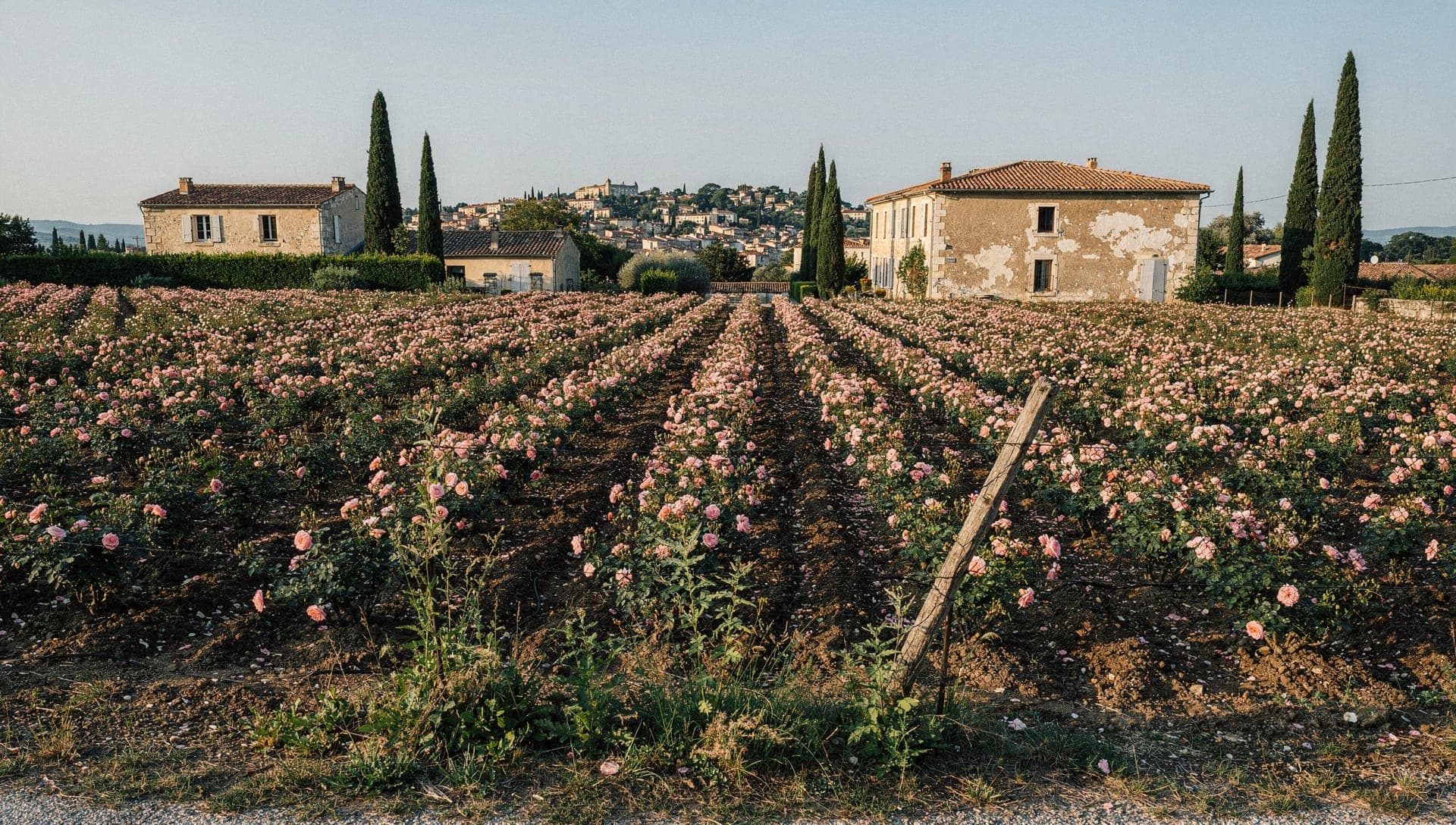
Spring is different. By mid-March, outdoor café terraces on Place aux Aires reopen properly. The flower fields surrounding the town — more than 30 hectares of roses, jasmine, tuberose, and lavender — start their growing cycle. The air itself shifts. If you stand on the terrace of a house in Les Marronniers and look south towards the sea, the haze lifts and you can pick out the Îles de Lérins.
For buyers, spring matters for practical reasons too. Gardens are in bloom, so you can actually see what a property's outdoor space looks like at its best. The light between 10 am and 4 pm is strong enough to reveal any north-facing damp or structural wear that winter shadows might hide. And critically, you're viewing properties when they'll be most used — on terraces, by pools, with doors flung open to the garden. A house that feels dark in December can feel entirely different in April.
"We always tell clients: if you can only visit once, come in late April or May. You'll see the property as it's meant to be lived in — and you'll understand why people fall in love with Grasse."
Historically, the second quarter (April through June) sees the highest volume of property transactions on the Côte d'Azur. Sellers know this and tend to list in March, which means spring is when inventory peaks. For buyers, that's the widest selection you'll get all year.
ExpoRose 2026: Dates, Programme, and What to Know
ExpoRose is Grasse's annual rose festival, and the 2026 edition runs from May 8 to 10. It's the single best weekend to experience the town at its most alive.
Here's what to expect: more than 25,000 roses displayed across the Old Town streets, the gardens of Villa Fragonard, and the Palais des Congrès. The famous pink umbrellas return — 2,800 of them suspended above the alleyways, creating what feels like walking under a canopy of petals. The whole centre becomes an open-air stage with artistic installations, live music, perfume workshops, and screenings.
Inside the Palais des Congrès, a trade fair brings together nearly 50 local and international perfume brands. Several houses offer creative workshops where you can compose your own fragrance under the guidance of a master perfumer. These book up fast — we'd recommend reserving at least three weeks ahead through the Pays de Grasse Tourisme website.
ExpoRose 2026 — Key Details
- Dates: May 8–10, 2026 (Friday to Sunday)
- Location: Grasse Old Town, Villa Fragonard gardens, Palais des Congrès
- Cost: Free to walk the streets and view installations; some workshops require advance booking
- Getting there: Free shuttle buses run from Plan de Grasse car parks; street parking is very limited
- Tip: Saturday morning combines ExpoRose with the regular Place aux Aires market — arrive by 9 am for the full experience
ExpoRose matters for property, too. It's the weekend that brings the most international visitors to Grasse in a single burst. We've seen several purchases that started with a long weekend during ExpoRose — a British couple browsing the market stalls, stopping for lunch on Cours Honoré Cresp, and casually asking about the renovated townhouse across the square. Three months later, they owned it.
The Markets: Saturday Mornings on Place aux Aires
If you want to know what daily life in Grasse actually feels like, go to the Saturday market. Not the tourist version — the real one, the one where the same woman has been selling goat's cheese from her farm in Cabris since before you were born.
Place aux Aires — the long, sloping square with its three-tiered fountain and plane trees — hosts the main market every Saturday from 8:00 am to 12:30 pm. It runs year-round, but spring is when the stalls really come into their own. By April, you'll find the first local asparagus and strawberries from the Var, bunches of wild garlic, fresh fèves (broad beans), and those tiny courgette flowers that you'll batter and fry for dinner. There are flower sellers with armfuls of peonies and anemones, olive oil from the Moulin de Mougins, and honey from hives kept in the hills above Cabris.
Place aux Herbes, just off the main square, has its own smaller market on Wednesdays and Saturdays. And the Cours Honoré Cresp market runs mid-week. Between them, you can shop for fresh produce four or five days a week without ever driving to a supermarket. That's a quality-of-life detail that matters enormously to the families and retirees who settle here.

A tip from our team: park at the Parking Honoré Cresp (covered, 2-hour free period) and walk up through the Old Town. You'll pass the 12th-century cathedral, the Musée International de la Parfumerie, and arrive at Place aux Aires from the top — which gives you the best view of the market spread out below, with the hills rolling off to the south.
UNESCO Perfume Heritage and What It Means for Property
In November 2018, UNESCO inscribed "the skills related to perfume in Pays de Grasse" as Intangible Cultural Heritage. The designation covers three things: the cultivation of perfume plants, the processing of natural raw materials, and the art of perfume composition. It was a significant moment — not just culturally, but economically.
What the UNESCO status means in practice is protection. The flower fields that surround Grasse — the very ones you'll see blooming this spring — are now recognised as part of a living heritage that France has committed to preserving. There are active programmes to revive local floral cultivation, with rose and jasmine growers receiving support to expand production using traditional methods. New training centres have opened, including a Centre of Excellence bringing together 24 schools and training organisations focused on perfumery skills.
For property owners, this matters because it constrains development. You won't see the rose fields south of the Old Town bulldozed for apartment blocks. The agricultural land that gives Grasse its character has an extra layer of protection, and that scarcity supports long-term property values in a way that pure market dynamics alone don't.
"UNESCO recognition doesn't just put Grasse on the cultural map — it freezes certain land uses in place. For anyone buying a villa overlooking the flower fields, that's as good as a covenant on the view."
The perfume industry itself continues to evolve. Grasse Perfume Week, launched in 2025, is a full week of olfactory events, exhibitions, and industry gatherings. Research into new extraction and distillation processes is underway, and there's a growing emphasis on natural materials over synthetics. The town isn't just preserving its heritage — it's actively building on it, which brings employment, international attention, and cultural capital that feeds back into the property market.
Buying in Grasse: A Sector-by-Sector Guide
Grasse is bigger and more varied than the other hinterland villages we cover. It has genuine urban density in parts, wide-open agricultural land in others, and everything from €120,000 studios to €2.5 million bastides. Here's how the main sectors break down.
Old Town (Vieille Ville)
The historic centre — a tangle of narrow streets climbing from Place aux Aires up to the cathedral and the Cours Honoré Cresp — is where Grasse's character is most concentrated. You'll find character apartments in 17th- and 18th-century buildings, many with exposed stone walls, beamed ceilings, and small terraces with views over the rooftops to the coast. Prices range from approximately €1,800 to €3,500 per m², making it one of the most affordable entry points on the entire Côte d'Azur for property with genuine architectural character. The Old Town has undergone significant renovation in recent years, with several buildings restored to a high standard. It's ideal for investors looking at rental income (Airbnb performs well here during festival periods) or for pied-à-terre buyers who want a base in the south without the six-figure commitment of coastal Antibes or Cannes.
Saint-Jacques
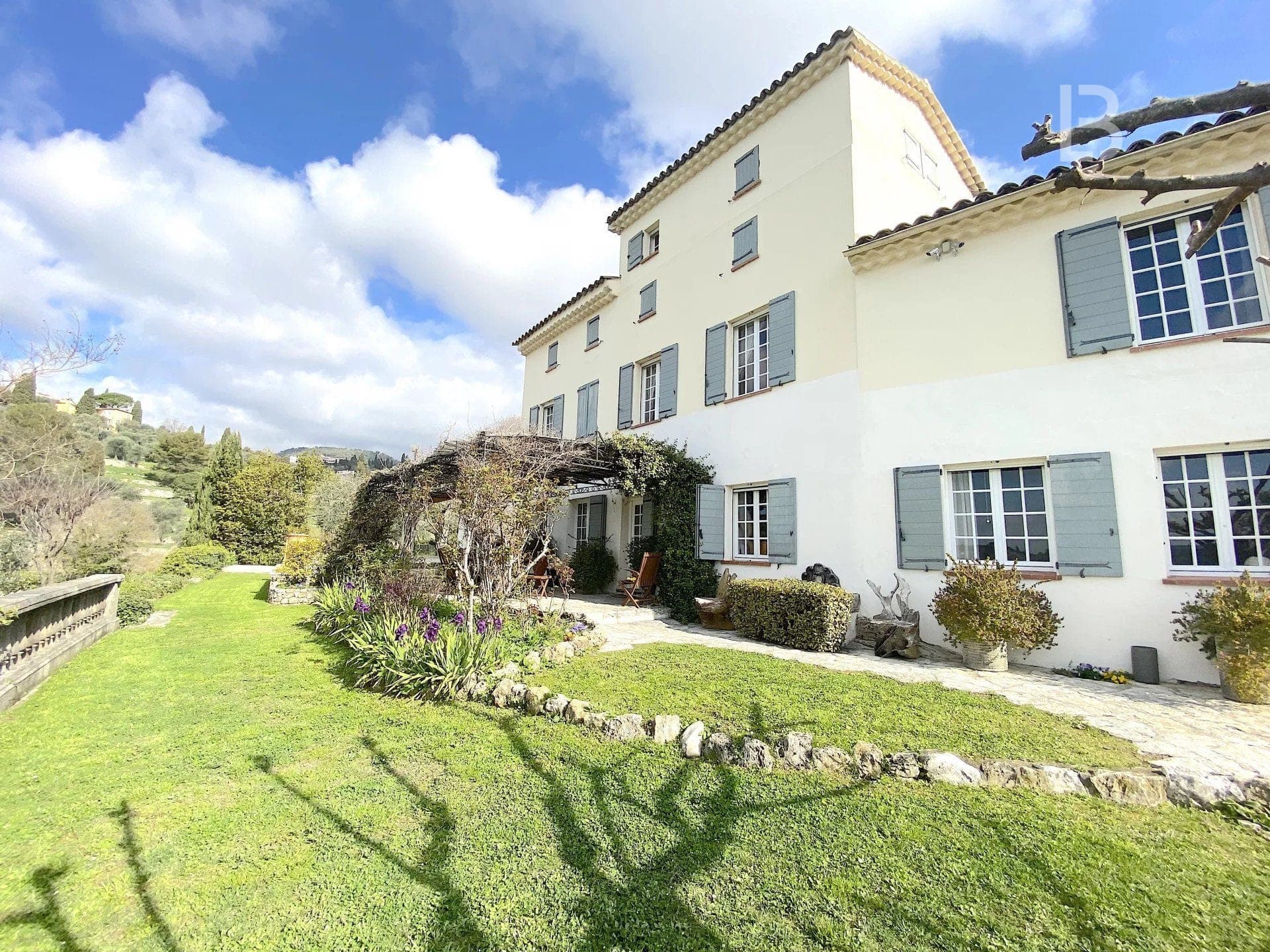
South-west of the centre, near the Pénétrante (the fast road connecting Grasse to Cannes), Saint-Jacques is a green, residential neighbourhood that's popular with families. Formerly agricultural land, it's now a mix of Provençal villas on generous plots and some newer builds. Expect prices from €4,000 to €6,000 per m² for houses. The appeal here is space — 1,000 to 3,000 m² plots are common — and easy road access to Cannes (20 minutes) and Sophia Antipolis (15 minutes). Properties in Saint-Jacques were among those renovated in 2024–25, and we're seeing growing demand from Sophia Antipolis professionals who want the extra garden space that Valbonne can no longer offer at equivalent prices.
Les Marronniers
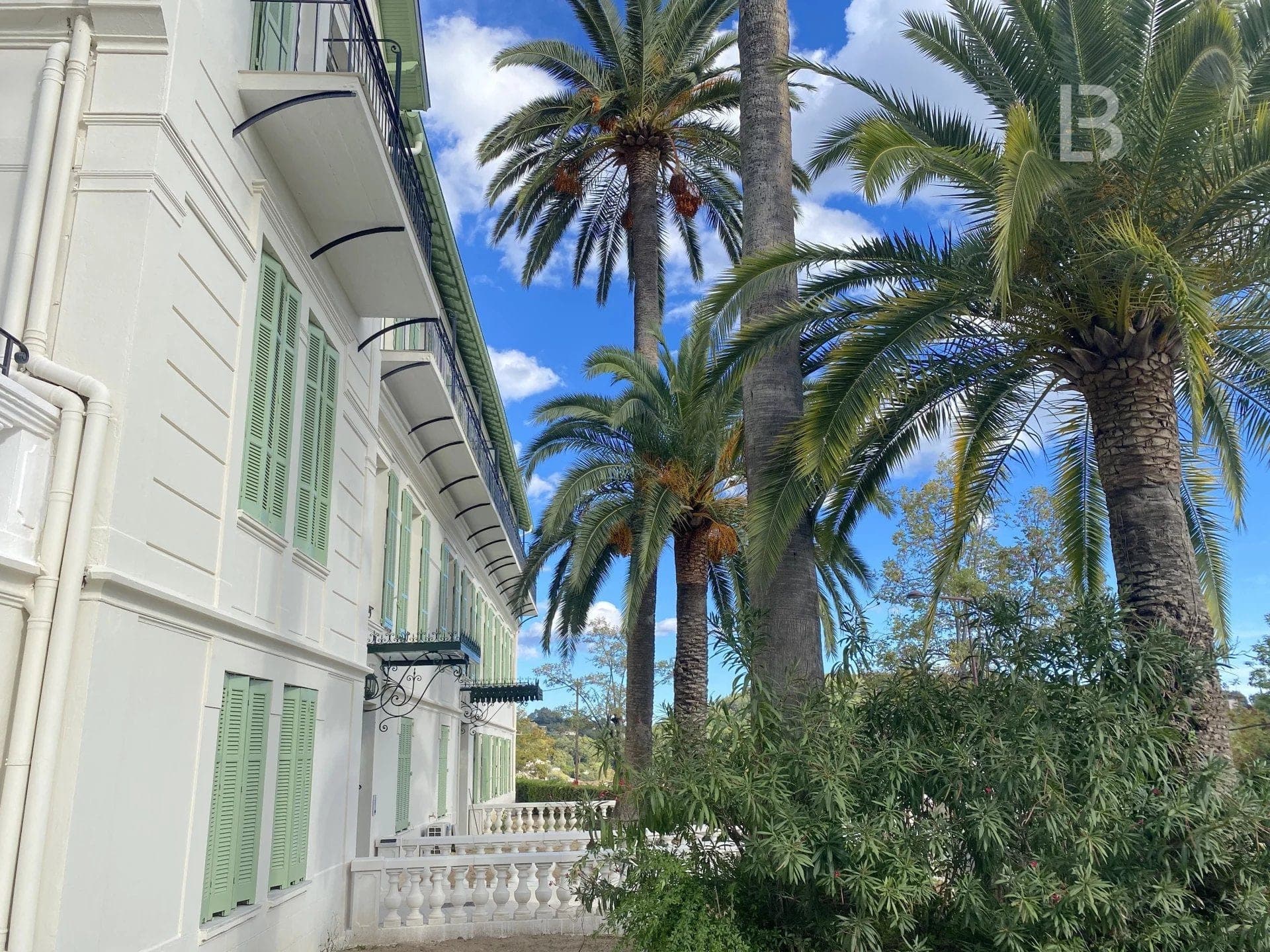
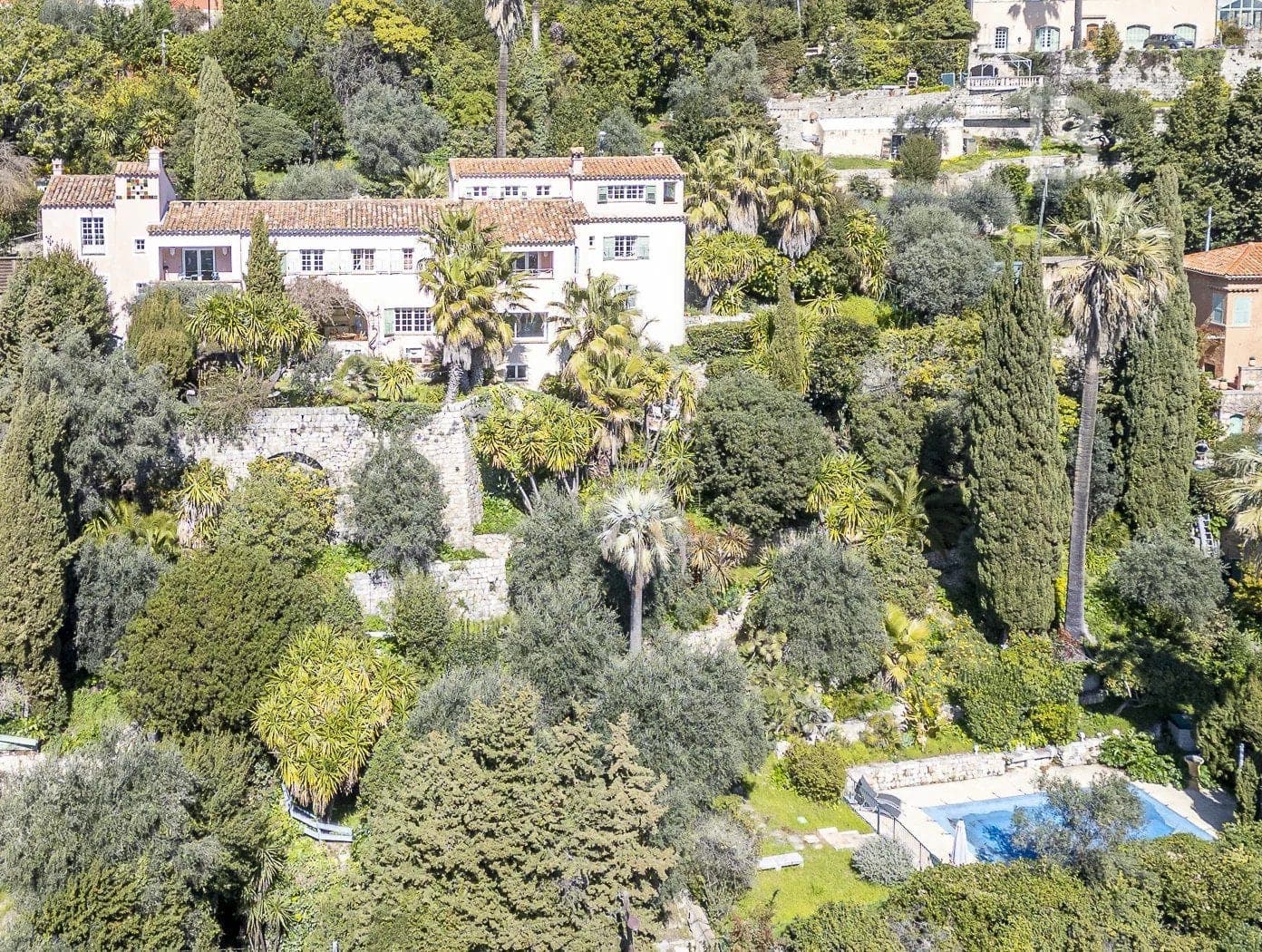
This is Grasse's prestige address. Perched on the southern slopes with views stretching to the Mediterranean, Les Marronniers attracts buyers who want a villa with a panoramic outlook and the privacy of a larger plot. Prices here reach €7,000 to €9,500 per m² — still below Mougins' top tier — and properties tend to be substantial: four to six bedrooms, pools, landscaped gardens, and the kind of mature planting that takes decades to establish. If you've been priced out of Mougins but want a similar feel, Les Marronniers is where to look.
Plan de Grasse
To the east of the centre, Plan de Grasse is the most modern and accessible sector. This is where you'll find newer apartment complexes, some with pools and gardens, priced from €3,000 to €4,500 per m². There's good bus connectivity (the Sillages network hub is here), a Carrefour supermarket, and practical amenities. For a young couple working in Sophia Antipolis or Cannes who want a first property on the Riviera, Plan de Grasse is the pragmatic choice — and resale values have been solid, rising broadly in line with the wider Grasse market.
| Sector | Typical Price / m² | Property Types | Best For |
|---|---|---|---|
| Old Town | €1,800–€3,500 | Apartments, townhouses | Investors, pied-à-terre |
| Saint-Jacques | €4,000–€6,000 | Villas, family houses | Families, Sophia commuters |
| Les Marronniers | €7,000–€9,500 | Premium villas, bastides | Prestige buyers, sea views |
| Plan de Grasse | €3,000–€4,500 | Modern apartments, new builds | First-time buyers, couples |
Price Data: What Properties Actually Sell For
Numbers matter more than adjectives when you're making a buying decision, so here's what the data actually shows. We've pulled these figures from DVF (Demandes de Valeurs Foncières) — the French government's public record of every completed property transaction — and cross-referenced with the latest Orpi and notarial data as of March 2026.
| Metric | Houses | Apartments |
|---|---|---|
| Average price / m² (Orpi, Mar 2026) | €4,938 | €3,618 |
| Average price / m² (DVF, 2024) | €5,074 | €3,451 |
| Price range / m² | €2,582–€9,538 | €1,834–€5,522 |
| 7-year price growth (2018–2025) | +26.56% | |
| 2-year price growth (2023–2025) | +3.91% | |
| Transactions in 2024 | 680 | |
A few things stand out. First, the seven-year growth of 26.5% tells a clear story: Grasse has been catching up with the rest of the hinterland, but it's not overheated. The two-year growth of just under 4% suggests the market is now stabilising after the post-Covid surge — which is healthy. Buyers aren't chasing inflated prices; they're buying into a market that's found a sustainable level.
Second, the spread between the cheapest and most expensive properties is enormous. A studio apartment in the Old Town might go for under €100,000. A villa in Les Marronniers can exceed €2 million. That range means Grasse has something for almost every budget — which isn't true of Valbonne or Mougins, where the entry price for a family home has climbed above €500,000.
The €500,000 Comparison
What does half a million euros buy you in each hinterland town? In Mougins, a two-bedroom apartment or a villa needing significant renovation. In Valbonne, a three-bedroom house on a modest plot. In Grasse? A renovated four-bedroom villa with a garden in Saint-Jacques, or a characterful three-bedroom townhouse in the Old Town with money left over. The value gap is still significant — and it's the main reason we're seeing more international buyers turn their attention here.
Transaction volume did decline notably in 2024, with 680 sales recorded — a 56.5% drop over two years. This mirrors a national trend: higher interest rates and tighter lending conditions cooled markets across France. But Grasse's prices held firm, which suggests underlying demand remains strong even as volume dips. For buyers, lower volume actually means less competition at the negotiating table.
Schools and Family Life
Families relocating to the Côte d'Azur tend to choose their home based on schools first and everything else second. Grasse holds up well.
The standout is Institut Fénelon, a private Catholic school in the heart of town that runs from primary through to lycée. Its British International Section offers bilingual education, with students following the French national curriculum while maintaining high-level English through dedicated language, literature, and history classes. Most students in the international section are bilingual, and the programme is well-regarded by families transferring from UK schools. The campus is spread across five sites in central Grasse — which means older students walk between buildings through the Old Town, a routine that feels more like a European film than a school run.
The Centre International de Valbonne (CIV), 15 minutes south in the heart of Sophia Antipolis, offers both the French Baccalauréat and International Baccalaureate preparation. It has sections in English-American, German, Spanish, Chinese, Italian, and Russian, making it one of the most internationally diverse state schools in France. Families in Grasse's southern sectors (Saint-Jacques, Les Marronniers) can reach CIV in 12–15 minutes by car.
For those wanting a fully British curriculum, Mougins School is a 20-minute drive south. It follows the English National Curriculum through to A-Levels and has a strong track record of placing students at UK universities.
Grasse also has well-regarded public primary schools and collèges. For French-speaking families or those committed to full immersion, the public system here is solid, and the town's size means there's genuine choice — unlike smaller hinterland communes where there's only one option.
Getting Around: Transport and Connections
Grasse is 18 km from Cannes and 40 km from Nice Côte d'Azur International Airport. By car, Cannes takes about 25 minutes via the Pénétrante (a dedicated dual carriageway that makes the commute painless), and Nice airport is roughly 40–45 minutes via the A8 autoroute.
The Grasse SNCF train station, served by the TER Provence-Alpes-Côte d'Azur regional line, connects to Cannes in around 25 minutes. It's a scenic route that runs through the hinterland, and regular commuters swear by it — no traffic, no parking stress, and the Cannes station is a short walk from La Croisette.
Locally, the Sillages bus network covers 25 municipalities across the Pays de Grasse agglomération, with 14 urban lines and modern validators that accept contactless bank card payment (introduced October 2025). A fleet of 70 buses, including 9 electric vehicles, operates the network. Within the town itself, the Old Town is best explored on foot — which is part of its charm.
Sophia Antipolis technology park, France's largest tech hub and home to over 2,500 companies, is about 15 km south. The drive takes 15–20 minutes outside of rush hour. During morning and evening peaks, the Pénétrante can slow down — but it's still faster than the equivalent commute from many coastal addresses.
Where to Eat: Spring Menus and Local Favourites
Grasse has always been a food town, even if it gets less attention than Mougins on the gastronomy circuit. The spring menus here are built around what's arriving at the markets: asparagus from the Var, fresh peas, morels from the hills, lamb from Sisteron, and the first rosés from the nearby Côtes de Provence vineyards.
La Bastide Saint-Antoine — the town's most celebrated address, housed in an 18th-century bastide surrounded by olive groves — holds a Michelin star and offers a terrace that, in spring, is genuinely one of the most beautiful places to eat on the Riviera. The menu changes with the season, and in April and May, chef Jacques Chibois leans heavily into local produce: asparagus with truffle vinaigrette, pan-fried red mullet with fennel flowers, lamb with wild garlic.
For something less formal, Le Gazan on Place aux Aires does excellent Provençal cooking at honest prices — think €15 lunch menus with ratatouille, grilled fish, and a carafe of rosé. L'Amphitryon, tucked into a side street near the cathedral, serves hearty French classics with the kind of unpretentious warmth that makes you want to come back weekly. And for pizza, locals head to Lou Fassum on Rue de la Poissonnerie — it's been there for decades and the wood-fired oven alone is worth the visit.
Spring also brings pop-up wine tastings and food events to the Old Town squares. The Grasse wine and olive oil trail, which runs through the surrounding countryside, is at its best in April and May when the estates open their doors and the new season's olive oil is ready.
Daily Life in Spring: What a Week Looks Like
We're often asked what day-to-day life is actually like in Grasse. Here's a snapshot of a typical spring week, drawn from our own experience and from conversations with residents.
Monday morning starts slow. The Old Town is quiet, the bakeries are open by 7 am, and the light streaming down Rue Jean Ossola is the kind that makes you stop walking and just look. If you work from home — and many international residents do — there's a café culture that supports it: Le Petit Journal on Place du Cours has good wifi, strong espresso, and a terrace where the sun hits from mid-morning.
Wednesday brings the mid-week market. It's smaller than Saturday's but the produce is just as good, and the crowd is almost entirely local. School finishes early on Wednesdays in France, so by noon the squares fill with children and parents heading to one of the ice cream shops on Cours Honoré Cresp.
Friday is when the weekend tempo kicks in. The restaurants start filling by 7:30 pm. In spring, dinner is outdoors — on terraces above the valley, in courtyard gardens lit by string lights, or in the shadow of the cathedral with a glass of Bellet rosé.
Saturday is market day. You're up early, walking the stalls, buying too much cheese, and stopping for a café crème at the fountain. By 1 pm the market's packed away and the afternoon opens up: a hike on the GR51 trail that runs through the hills above town, a swim at one of the municipal pools, or a drive down to the coast — Cannes' beaches are 25 minutes away.
Sunday is family day. Church bells from the cathedral at 10 am, lunch that stretches to 3 pm, maybe a visit to the Musée International de la Parfumerie or a drive to the medieval village of Gourdon for the view. The pace is slow, intentional, and distinctly Provençal.

Grasse vs the Hinterland: How It Compares
One of the most common questions we get is: why Grasse instead of Valbonne or Mougins? It's a fair question, and the honest answer is that it depends on what you're looking for. Here's how they stack up.
| Factor | Grasse | Valbonne | Mougins |
|---|---|---|---|
| Avg Price / m² (houses) | €4,938 | ~€6,781 | ~€8,867 |
| Population | 51,000 | 13,000 | 19,000 |
| UNESCO status | Yes (2018) | No | No |
| Train station | Yes (SNCF) | No | No |
| International school in town | Fénelon (bilingual) | CIV (nearby) | Mougins School |
| Weekly markets | 4–5 days/week | Friday | Thursday |
| Drive to Cannes | 25 min | 20 min | 15 min |
| Sophia Antipolis | 15–20 min | 5–10 min | 10–15 min |
| Character | Historic city, perfume heritage | Medieval village, tech hub | Gastronomy, golf, art |
Valbonne has the edge on Sophia Antipolis proximity and village charm. Mougins wins on gastronomy, golf, and proximity to Cannes. But Grasse offers something neither can: an authentic, working French city with UNESCO cultural status, a train station, genuine architectural diversity, and prices that give you significantly more space for your money. For a British family relocating for CIV, Grasse's southern sectors are actually as convenient as Valbonne — and the €150,000–€200,000 you save on the purchase price is money that goes into renovation, furnishing, or simply a more comfortable first year.
For a Parisian couple buying a weekend house, Grasse's TGV-connected train station is a genuine advantage — you can get from Paris Gare de Lyon to Grasse in under six hours with one change in Cannes or Nice, without needing a car at the other end if your property is in the Old Town.
And for a tech professional working at Sophia Antipolis, the Saint-Jacques or Plan de Grasse sectors offer the same 15–20 minute commute as Biot or Roquefort-les-Pins, but with a far richer cultural life on your doorstep.
Sources
Sources
Les données de marché et chiffres démographiques de cet article reposent sur les sources primaires suivantes :
- DVF (Demandes de Valeurs Foncières) — data.gouv.fr pour les prix et volumes de transactions.
- INSEE pour les données démographiques, ménages et emploi.
- Notaires de France pour les commentaires trimestriels et régionaux.
- service-public.fr pour les références juridiques et procédurales (notaire, compromis, acte authentique, fiscalité).
- ADEME pour le contexte réglementaire de la performance énergétique (DPE).
Publié par l'équipe éditoriale La Réserve | Riviera. Gouvernance éditoriale et politique de corrections : normes éditoriales. Corrections : contact@lareserve.co.
Questions Fréquentes
Questions Fréquentes
Besoin de conseils personnalisés ?
Notre équipe connaît chaque rue et chaque quartier de l'arrière-pays.